
Female Nutrition and Exercise Guidelines Backed by Science
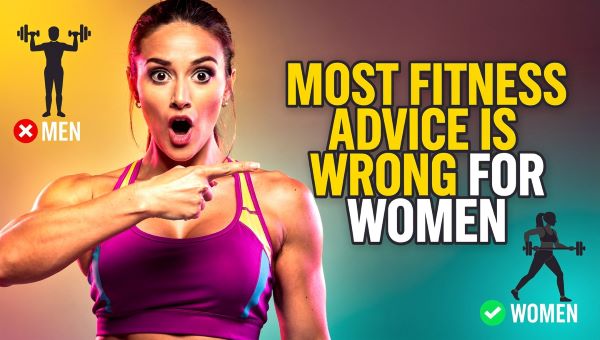
For many years, most health, nutrition, and exercise advice was based on research done on men. According to the National Institutes of Health (NIH), women were underrepresented in medical and fitness studies until the late 1990s.
This means a lot of popular fitness rules may not work the same way for women.
Understanding female nutrition and exercise guidelines is important because women’s bodies respond differently to food, stress, workouts, and recovery. Hormones, metabolism, and energy needs play a huge role.
In this blog, we’ll break down science-backed advice—supported by trusted organizations like NIH, WHO, and ACSM—to help women train smarter, eat better, and feel stronger.

Why Nutrition and Exercise Are Different for Women
Women have unique hormonal cycles that affect:
- Energy levels
- Fat storage
- Muscle recovery
- Stress response
Research published in The Journal of Endocrinology shows that women are more sensitive to calorie restriction and fasting compared to men. This is why many women feel tired, stuck, or frustrated even after following popular diet trends.
Understanding how your body works helps you avoid common mistakes and build a sustainable routine.
Intermittent Fasting: Why It Often Doesn’t Suit Women
Intermittent fasting is often promoted as a fat-loss tool. However, studies from the NIH indicate that fasting can increase stress hormones in women.
Why fasting can be harmful for women:
- Women naturally have higher morning cortisol
- Skipping meals keeps cortisol elevated
- Chronic stress can lead to fat storage and hormone imbalance
WHO research links prolonged calorie restriction to menstrual irregularities and poor metabolic health.
Better alternative:
- Eat within 30–60 minutes after waking
- Keep it light but balanced
Examples:
- Eggs with toast
- Greek yogurt with fruit
- Protein smoothie
This supports hormone balance and steady energy.
Fasted Workouts and Fat Loss: The Truth
Many people believe working out on an empty stomach burns more fat. But research from Sports Medicine Journal shows women often experience the opposite effect.
Fasted workouts in women may lead to:
- Muscle breakdown
- Increased fat storage
- Poor workout performance
Science-backed recommendation:
Before workouts, women should eat a small snack.
Pre-workout nutrition for women:
- Strength training: 15g protein + small carbs
- Cardio: ~30g carbohydrates
Fueling before exercise helps maintain muscle and reduces stress on the body.
Post-Workout Nutrition: Critical for Female Recovery
According to the American College of Sports Medicine (ACSM), women have a shorter recovery window than men.
Why post-workout food matters:
- Prevents muscle loss
- Improves recovery
- Supports hormone health
Ideal post-workout intake:
- 30–35g protein
- Moderate carbs
Carbohydrate guideline:
-
0.3g carbs per kg of body weight
For example, a woman weighing 60 kg needs about 18g carbs after training.
Strength Training: The Foundation of Women’s Fitness
The World Health Organization (WHO) recommends resistance training for all adults—but it’s especially important for women.
Benefits of strength training for women:
- Increases bone density
- Boosts metabolism
- Reduces risk of osteoporosis
- Supports healthy aging
Ideal routine:
- 3 strength sessions per week
- Focus on full-body exercises
Strength training will not make women bulky unless paired with extreme training and diet.
Cardio and HIIT: Less Is More
Long daily cardio is not necessary for women.
Research from ACSM shows that HIIT (High-Intensity Interval Training) improves heart health and insulin sensitivity more efficiently.
Best approach:
- 1–2 HIIT sessions per week
- Short sprints with recovery
This reduces stress and saves time while improving fitness.
Menstrual Cycle and Workouts: Listen to Your Body
Some studies suggest women feel stronger during the follicular phase and less energetic during the luteal phase. However, Dr. Stacy Sims and NIH experts agree that personal patterns matter more.
What actually affects menstrual health:
- Low calorie intake
- Low carbs and fats
- Chronic stress
WHO links low energy availability to missed periods and hormonal disruption.
Instead of forcing workouts, adjust intensity based on how you feel.
Ice Baths vs Sauna: What’s Better for Women?
Extreme cold exposure is trending, but female bodies react differently.
Studies on thermoregulation show women enter stress mode faster in cold environments.
Better options for women:
- Mild cold exposure
- Sauna or heat therapy
NIH-supported benefits of sauna:
- Improved circulation
- Lower stress hormones
- Better sleep
Heat therapy often supports recovery better than extreme cold for women.
Sleep: A Non-Negotiable for Women’s Health
According to the Sleep Foundation and NIH, women generally need more sleep than men.
Sleep challenges women face:
- Lighter sleep cycles
- Poor sleep before periods
- Stronger impact of jet lag
Good sleep supports:
- Hormones
- Fat loss
- Mental health
Supplements Women Should Consider (Evidence-Based)
Backed by NIH and clinical research:
- Creatine – improves strength, brain and mood
- Vitamin D – supports hormones and immunity
- Iron – important due to monthly blood loss
- Protein powder – helps meet protein needs
Always consult a healthcare professional before supplementation.
Calories, Protein, and Carbs: Balance Matters
Women are more sensitive to calorie deficits.
Why extreme dieting fails:
- Triggers intense hunger
- Slows metabolism
- Disrupts hormones
Recommended protein intake:
-
1.1–1.2g per pound of body weight
Carbs are essential for:
- Thyroid health
- Menstrual health
- Energy levels
Keto diets often worsen symptoms in women.
Conclusion: Fuel, Train, and Recover the Smart Way
Female bodies are not small male bodies. They are complex, adaptive, and powerful.
By following science-backed female nutrition and exercise guidelines, women can:
- Improve energy
- Protect hormones
- Build strength sustainably
Stop following trends blindly.
Start listening to your body.
👉 Fuel properly, train smart, and prioritize recovery.