
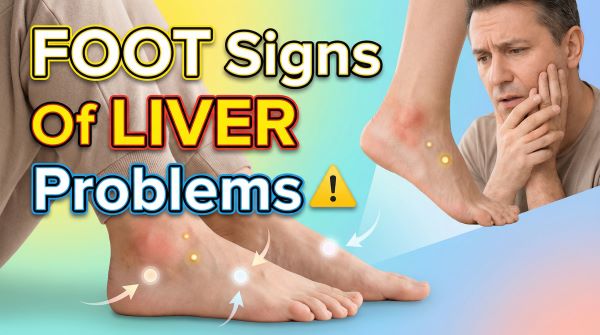
Introduction: Can Your Feet Reveal Liver Problems?
Most people think liver problems only show up in blood tests or scans. But your body often gives early physical warning signs—and your feet are one of them. Because feet are the farthest part from the heart, changes in circulation, fluid balance, and detoxification often appear there first.
In this blog, we’ll explain foot signs of liver problems in simple English. These signs do not diagnose liver disease, but they can alert you to possible internal stress so you can seek medical advice early. The information shared here is based on general medical understanding and guidance from trusted health organizations like the WHO and NIH.
How the Liver Is Connected to Foot Health
The liver performs over 500 vital functions, including:
- Detoxifying harmful substances
- Regulating hormones
- Producing bile for fat digestion
- Managing fluid balance and proteins
When the liver is stressed or damaged, toxins and fluids can build up in the body. According to the National Institutes of Health (NIH), poor liver function often affects blood circulation and fluid movement—changes that commonly show up in the legs and feet.Common Foot Signs of Liver Problems

🔴 1. Red or Brown Spots on Lower Legs
Small red or brown dots near the ankles or lower legs may indicate poor circulation. These spots occur when tiny blood vessels weaken or leak.
Possible causes include:
- Liver-related circulation issues
- Diabetes
- Chronic inflammation
Medical studies show that long-term liver dysfunction can affect vascular health, especially in the lower body.
🕷️ 2. Spider Veins on Feet or Legs
Spider veins look like thin red or purple lines under the skin.
Why this happens:
- The liver helps break down excess estrogen
- When the liver struggles, estrogen levels rise
- High estrogen weakens blood vessels
Spider veins are commonly observed in people with chronic liver disease or cirrhosis.
🧱 3. Cracked Heels and Dry Skin
Persistent cracked heels may not be just a skincare issue.
They are often linked to:
- Vitamin B3 (niacin) deficiency
- Poor absorption of fat-soluble vitamins (A, D, E)
- Omega-3 fatty acid deficiency
Since bile production depends on liver health, poor bile flow can reduce vitamin absorption, affecting skin repair.
🔥 4. Hot or Burning Feet
Some people experience a burning or warm sensation in their feet, especially at night.
Possible reasons:
- Toxin buildup in the body
- Nerve irritation
- Poor metabolic detoxification
This symptom is sometimes mistaken for nerve damage but may also relate to liver stress.
😣 5. Itching on the Bottom of Feet
Unexplained itching, especially on the soles, can occur when bile salts build up in the bloodstream.
According to medical research:
- Liver problems can cause bile flow blockage
- This leads to histamine release
- Resulting in itching without a visible rash
💧 6. Swollen Feet and Pitting Edema
If pressing your finger into your lower leg leaves a dent that stays, it’s called pitting edema.
This may indicate:
- Fluid retention
- Low albumin protein levels
- Impaired liver protein production
The World Health Organization (WHO) recognizes edema as a common symptom in advanced liver conditions.
🍄 7. Toenail Fungus
People with liver problems often experience frequent fungal infections.
Why?
- Weakened immune response
- Imbalance in gut microbiome
- Reduced detox efficiency
This explains why nail fungus, dandruff, and skin rashes often appear together.
💅 8. Pale or White Nail Beds
Healthy nails are pink due to good blood flow. Pale or white nail beds may signal:
- Poor circulation
- Reduced oxygen delivery
- Liver or heart-related issues
Loss of the small white crescent (lunula) can also be seen in chronic conditions.
What Commonly Causes Liver Problems?
Understanding causes helps prevention. Major contributors include:
- Excess sugar and high-fructose diets
- Ultra-processed and packaged foods
- Long-term medication use
- Alcohol overconsumption
- Lack of vegetables and fiber
NIH reports that non-alcoholic fatty liver disease (NAFLD) is now one of the most common liver conditions worldwide.
Diet and Lifestyle Tips for Better Liver Health
While medical treatment is essential, lifestyle changes play a huge role.
🥗 Liver-Friendly Habits:
- Eat more vegetables and fiber
- Reduce sugar and refined carbs
- Stay hydrated
- Avoid excessive alcohol
- Choose whole, unprocessed foods
WHO emphasizes diet-based prevention as a first-line approach for metabolic and liver health.
When Should You See a Doctor?
If you notice:
- Multiple foot symptoms together
- Swelling that doesn’t go away
- Severe itching or fatigue
👉 Consult a healthcare professional and get proper tests done.
Early detection can prevent serious complications.
Conclusion: Listen to What Your Feet Are Telling You
Your feet cannot diagnose disease—but they can warn you early. Paying attention to foot signs of liver problems may help you take action before conditions worsen.
If this blog helped you understand your body better, consider sharing it with someone who might need it. Awareness is the first step toward prevention.