

If you are looking for natural ways to manage enlarged prostate symptoms, you are not alone. Many men, especially after the age of 40, experience changes in their urinary habits. These may include frequent urination, weak urine flow, or waking up multiple times at night.
This condition is known as Benign Prostatic Hyperplasia (BPH). According to global health research, including studies from organizations like WHO and NIH, BPH is a common and manageable condition, especially when detected early.
The good news? You don’t always need surgery. With the right lifestyle, diet, and habits, you can significantly improve your symptoms and quality of life.
Let’s explore everything in a simple and practical way.
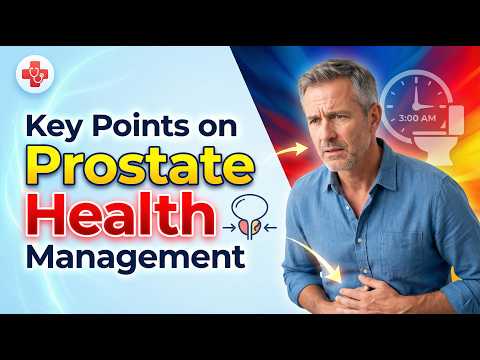
📊 What Is an Enlarged Prostate?
The prostate is a small gland found only in men, located just below the bladder. Its main function is to support reproductive health.
As men age, the prostate may grow in size. This enlargement can press against the urethra (urine tube), leading to symptoms such as:
- Weak urine stream
- Difficulty starting urination
- Frequent urge to urinate
- Night-time urination (nocturia)
- Feeling that the bladder is not empty
📌 Fact: Studies suggest that nearly 50% of men over 50 and up to 80–90% over 80 experience some level of prostate enlargement.
🥦 Best Diet for Prostate Health After 40
One of the most effective natural ways to manage enlarged prostate symptoms is through your diet.
✅ Foods That Support Prostate Health
Research from NIH highlights the benefits of plant-based diets.
Include these foods regularly:
- Tomatoes (rich in lycopene)
- Broccoli & cauliflower
- Leafy greens like spinach
- Nuts (almonds, walnuts)
- Fatty fish (rich in omega-3)
👉 These foods help reduce inflammation and support hormonal balance.
❌ Foods to Limit or Avoid
Certain foods may worsen symptoms:
- Fried and junk foods
- Processed meats (bacon, sausages)
- Excess dairy products
- High-fat foods
👉 These foods can increase inflammation and contribute to prostate growth.
🍬 Why Reducing Sugar Matters
If you are wondering how to reduce frequent urination naturally, controlling sugar intake is important.
High sugar consumption can:
- Increase inflammation
- Cause insulin resistance
- Worsen urinary symptoms
Avoid:
- Soft drinks
- Sweets and desserts
- Packaged fruit juices
👉 Choose natural sugars from fruits instead.
⚖️ Maintain a Healthy Weight
Excess body fat, especially around the belly, can disturb hormone balance.
📊 Research shows that losing even 5–10% of body weight may improve urinary symptoms significantly.
Why weight matters:
- Reduces estrogen levels
- Improves metabolism
- Lowers inflammation
🏃 Exercises for Prostate Health in Men
Regular exercise is a powerful tool for prostate health.
Recommended Activities:
- Brisk walking
- Jogging
- Cycling
- Swimming
- Yoga
👉 Exercise improves blood flow and reduces inflammation.
💪 Kegel Exercises
Kegel exercises strengthen pelvic floor muscles.
Benefits include:
- Better urine control
- Reduced leakage
- Improved bladder support
😴 Sleep and Stress Management
Poor sleep and high stress can worsen urinary symptoms.
Why this matters:
- Stress increases cortisol levels
- Muscle tension affects bladder function
👉 Aim for:
- 7–8 hours of quality sleep
- Fixed sleep schedule
Stress-reducing activities:
- Meditation
- Deep breathing
- Light yoga
☕ Limit Caffeine and Alcohol
Caffeine and alcohol act as diuretics, meaning they increase urine production.
Effects:
- More frequent urination
- Sleep disturbances
- Increased urgency
👉 Reduce intake of:
- Coffee
- Tea
- Energy drinks
- Alcohol (especially at night)
💧 Smart Hydration Tips
Hydration is important, but balance is key.
Ideal hydration sign:
- Light yellow urine
Avoid:
- Drinking too much water
- Drinking too little
👉 Both overhydration and dehydration can worsen symptoms.
💊 Supplements (Consult Your Doctor)
Some supplements may help, but only under medical advice.
Common options:
- Saw Palmetto
- Beta-sitosterol
- Zinc
📊 Some studies suggest these may support prostate health, but results vary.
🚻 Healthy Urination Habits
Simple habits can make a big difference.
Tips:
- Don’t hold urine for too long
- Use “double voiding” (urinate, wait, try again)
- Empty bladder before sleeping or traveling
🩺 When to See a Doctor
If symptoms persist, consult a urologist.
Common tests include:
- Urine test
- Ultrasound
- PSA blood test
- Urine flow test
👉 Early diagnosis helps avoid complications.
📊 Quick Comparison Table
| Habit | Benefit for Prostate |
|---|---|
| Plant-based diet | Reduces inflammation |
| Exercise | Improves blood flow |
| Weight loss | Balances hormones |
| Good sleep | Reduces stress impact |
| Less caffeine | Improves bladder control |
FAQs on prostate health and enlarged prostate (BPH)
❓ 1. What are the early signs of an enlarged prostate?
Early signs of an enlarged prostate may include:
- Frequent urge to urinate
- Weak or slow urine flow
- Difficulty starting urination
- Waking up at night to urinate (nocturia)
- Feeling that the bladder is not fully empty
👉 These symptoms usually develop slowly, so many men ignore them at first.
❓ 2. Can lifestyle changes really help manage enlarged prostate symptoms?
Yes, lifestyle changes may help improve symptoms. Research from health organizations like NIH suggests that:
- A healthy diet
- Regular exercise
- Weight management
- Stress control
👉 These habits may reduce inflammation and support better urinary function over time.
❓ 3. What foods are good for prostate health?
Foods that may support prostate health include:
- Tomatoes (rich in lycopene)
- Broccoli and cauliflower
- Leafy green vegetables
- Nuts like almonds and walnuts
- Fish rich in omega-3 fatty acids
👉 These foods contain antioxidants that may help reduce inflammation.
❓ 4. When should I see a doctor for prostate problems?
You should consult a doctor if you notice:
- Difficulty passing urine
- Pain during urination
- Blood in urine
- Sudden worsening of symptoms
👉 Early diagnosis can help manage the condition effectively and avoid complications.
❓ 5. Is surgery always required for an enlarged prostate?
No, surgery is not always required.
👉 In many cases, symptoms can be managed with:
- Lifestyle changes
- Medications
- Regular monitoring
Surgery is usually considered only when symptoms are severe or not responding to other treatments.
🧾 Conclusion
Managing prostate health does not have to be complicated.
By following these natural ways to manage enlarged prostate symptoms, you can improve your daily life and reduce discomfort.
Key Takeaways:
✔ Eat a plant-based diet
✔ Exercise regularly
✔ Maintain healthy weight
✔ Sleep well and reduce stress
✔ Stay hydrated smartly
✔ Consult a doctor when needed
👉 Small changes today can lead to big health benefits tomorrow.