
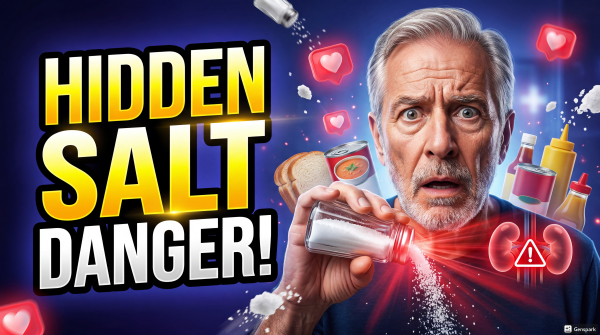
Hidden Salt Dangers After 50
Many adults assume their diet is healthy because they rarely add table salt to their meals. However, the biggest concern is often hidden sodium found in processed foods like bread, canned soups, sauces, and packaged snacks.
According to the World Health Organization and the American Heart Association, excess sodium intake may affect blood pressure, heart health, and kidney function, especially after age 50.
Research from the National Institutes of Health also highlights the importance of balancing sodium and potassium for healthy aging.
Understanding these Hidden Salt Dangers After 50 may help older adults make smarter food choices and support long-term wellness naturally.
Recommended external resources:
After age 50, the body becomes more sensitive to sodium than before. Foods that do not even taste salty may quietly affect blood pressure, circulation, kidney function, and heart health over time.

Hidden Salt Dangers After 50
The good news is that understanding hidden sodium sources and making a few simple lifestyle changes may help support healthier aging naturally.
In this guide, you will discover:
- Why sodium affects the body differently after 50
- Hidden foods that contain surprising amounts of salt
- The connection between sodium and water retention
- Why potassium matters
- Natural ways to reduce excess sodium.
Why Salt Becomes More Harmful After 50
The body changes naturally with age.
After 50:
- Blood vessels become less flexible
- Kidney function slows down
- Fluid balance changes
- Blood pressure becomes more sensitive
These changes can make excess sodium harder for the body to handle.
Stiff Arteries and Blood Pressure
Healthy arteries are flexible and elastic.
As we age, arteries gradually become stiffer. When the body holds onto extra fluid from excess sodium, pressure inside blood vessels may rise more easily.
This is one reason many older adults experience increased blood pressure sensitivity.
Hidden Sodium Foods Many People Ignore
One of the biggest hidden salt dangers after 50 is processed food.
Many high-sodium foods do not taste very salty at all.
1. Bread and Bakery Products
Processed bread often contains sodium to improve texture and shelf life.
Common examples include:
- Sandwich bread
- Bagels
- Crackers
- Burger buns
Eating these foods several times daily may increase sodium intake significantly.
2. Breakfast Cereals
Some cereals promoted as healthy still contain hidden Salt Dangers After 50.
Processed grain products may contain more sodium than expected.
3. Sauces and Condiments
Bottled sauces are often loaded with sodium.
Examples:
- Ketchup
- Soy sauce
- Salad dressing
- Pasta sauce
- Barbecue sauce
Even small servings may contain large amounts of sodium.
4. Canned Soups
Canned soups are one of the biggest Hidden Salt Dangers After 50.
Manufacturers often add sodium to preserve flavor and freshness.
Homemade soup is usually a healthier option.
5. Processed Meats
Processed meats are preserved using sodium.
These include:
- Bacon
- Ham
- Sausage
- Deli turkey
- Hot dogs
Frequent consumption may increase long-term sodium intake.
Signs You May Be Eating Too Much Sodium
Excess sodium may affect the body in subtle ways.
Some common symptoms include:
- Puffy fingers
- Swollen ankles
- Frequent thirst
- Water retention
- Bloating
- Fatigue
- Headaches
- Poor sleep
- Elevated blood pressure
Many people never realize these symptoms may be linked to hidden sodium.
The Connection Between Salt and Water Retention
Sodium helps regulate fluid balance.
But too much sodium can cause the body to retain extra water.
This may lead to:
- Puffiness
- Swelling
- Temporary weight gain
- Tightness in the hands and feet
Some people think they gained body fat overnight when they are actually retaining fluid.
How Excess Sodium May Affect Heart Health
When extra fluid builds up, the heart works harder to pump blood.
Over time, excess sodium may place additional strain on:
- Blood vessels
- Circulation
- Kidney function
- Cardiovascular health
This is why many experts recommend reducing processed foods and maintaining balanced sodium intake for healthy aging.
The Potassium Secret for Healthy Aging
Many people focus only on reducing sodium.
But the balance between sodium and potassium may be even more important.
Why Potassium Matters
Potassium helps:
- Balance fluids
- Relax blood vessel walls
- Support circulation
- Help regulate sodium naturally
Modern diets are often:
❌ High in sodium
❌ Low in potassium
That imbalance may affect overall wellness.
Best Potassium-Rich Foods for Adults Over 50
Adding potassium-rich foods may help support healthy aging naturally.
Healthy options include:
- Bananas
- Spinach
- Sweet potatoes
- Avocados
- Tomatoes
- Coconut water
- Beans
- Leafy greens
Whole foods provide nutrients that processed foods often lack.
Natural Ways to Reduce Sodium Intake
Healthy meals do not need to taste bland.
These simple strategies may help reduce sodium naturally.
1. Use Herbs and Garlic
Fresh herbs provide flavor without excess sodium.
Great options include:
- Rosemary
- Basil
- Oregano
- Thyme
- Cilantro
Garlic may also support heart health naturally.
2. Add Lemon and Citrus
Fresh lemon juice can brighten food flavor and reduce the need for extra salt.
3. Cook More Meals at Home
Restaurant and packaged foods are often high in sodium.
Preparing meals at home gives you better control over ingredients.
Simple Daily Hydration Routine
Proper hydration may help the body manage sodium more effectively.
Daily Tips
- Drink water consistently throughout the day
- Eat potassium-rich foods
- Reduce heavily processed foods
- Stay physically active
These simple habits may support healthier circulation and fluid balance.
Quick Low-Sodium Food Swaps
| High Sodium Food | Better Alternative |
|---|---|
| Canned soup | Homemade vegetable soup |
| Processed deli meat | Fresh chicken |
| Salty chips | Unsalted nuts |
| Bottled dressing | Olive oil and lemon |
| Instant noodles | Whole grain pasta |
Healthy Aging Tips for Better Wellness
✔ Read food labels carefully
✔ Choose fresh foods more often
✔ Reduce packaged snacks
✔ Drink enough water
✔ Use herbs instead of excess salt
✔ Focus on whole foods
Small daily habits may create meaningful long-term health benefits.
Frequently Asked Questions About Hidden Salt Dangers After 50
1. What are the Hidden Salt Dangers After 50?
The Hidden Salt Dangers After 50 refer to the health risks linked to consuming too much sodium as the body ages. After age 50, the kidneys, heart, and blood vessels may become more sensitive to excess sodium. Hidden sodium in processed foods may contribute to high blood pressure, water retention, swelling, and increased stress on the cardiovascular system.
2. Why do Hidden Salt Dangers After 50 become more serious with age?
Hidden Salt Dangers After 50 become more serious because aging naturally changes how the body handles sodium. Blood vessels may become stiffer, kidney function may slow down, and fluid balance may become less efficient. These changes can make older adults more sensitive to excess sodium compared to younger people.
3. What foods are linked to Hidden Salt Dangers After 50?
Many common foods are connected to Hidden Salt Dangers After 50, including:
- Processed bread
- Canned soups
- Breakfast cereals
- Processed meats
- Salad dressings
- Soy sauce
- Frozen meals
- Packaged snacks
These foods may contain large amounts of hidden sodium even if they do not taste salty.
4. Can Hidden Salt Dangers After 50 affect blood pressure?
Yes. Hidden Salt Dangers After 50 are strongly connected to blood pressure health. Excess sodium may cause the body to retain extra fluid, which increases pressure inside blood vessels. This may place additional strain on the heart and circulation over time.
5. How do Hidden Salt Dangers After 50 affect the kidneys?
The kidneys help remove excess sodium from the body. However, Hidden Salt Dangers After 50 may become more noticeable because kidney function naturally slows down with age. Too much sodium may increase the workload on the kidneys and affect fluid balance.
6. What are the symptoms of Hidden Salt Dangers After 50?
Common symptoms related to Hidden Salt Dangers After 50 may include:
- Swollen ankles
- Puffy fingers
- Frequent thirst
- Bloating
- Water retention
- Fatigue
- Headaches
- Poor sleep
- Elevated blood pressure
Many people do not realize these symptoms may be linked to excess sodium intake.
7. How can I reduce Hidden Salt Dangers After 50 naturally?
You may help reduce Hidden Salt Dangers After 50 naturally by:
- Eating fewer processed foods
- Cooking meals at home
- Drinking enough water
- Using herbs instead of extra salt
- Eating more potassium-rich foods
- Reading food labels carefully
Small lifestyle changes may help support healthier aging naturally.
8. What are the best potassium-rich foods for Hidden Salt Dangers After 50?
Potassium-rich foods may help balance sodium levels naturally. Helpful foods include:
- Bananas
- Spinach
- Avocados
- Sweet potatoes
- Tomatoes
- Beans
- Coconut water
- Leafy greens
These foods may support circulation, hydration, and overall wellness.
9. Are Hidden Salt Dangers After 50 connected to water retention?
Yes. Hidden Salt Dangers After 50 are closely linked to water retention. Excess sodium may cause the body to hold onto extra fluid, leading to puffiness, swelling, and temporary weight gain.
10. Can Hidden Salt Dangers After 50 affect heart health?
Excess sodium may place extra stress on the cardiovascular system. Hidden Salt Dangers After 50 may affect circulation, blood pressure, and heart workload over time, especially when combined with processed food habits.
11. What is the healthiest way to avoid Hidden Salt Dangers After 50?
The healthiest approach to avoiding Hidden Salt Dangers After 50 includes:
- Choosing fresh whole foods
- Limiting packaged meals
- Staying hydrated
- Eating potassium-rich foods
- Using natural herbs and spices
- Maintaining an active lifestyle
Consistency matters more than perfection.
12. Do Hidden Salt Dangers After 50 only affect people with high blood pressure?
No. Hidden Salt Dangers After 50 may affect many adults even if they do not currently have high blood pressure. Excess sodium may still influence fluid balance, circulation, kidney health, and overall wellness over time.
13. How much sodium is too much after age 50?
Health organizations generally recommend limiting sodium intake, especially for older adults and people with blood pressure concerns. However, individual needs may vary. Speaking with a healthcare professional can help determine the right sodium intake for your personal health needs.
14. Can drinking water help with Hidden Salt Dangers After 50?
Proper hydration may help the kidneys remove excess sodium more effectively. Drinking enough water daily may support fluid balance and healthy circulation.
15. Are restaurant foods part of Hidden Salt Dangers After 50?
Yes. Restaurant meals are often one of the biggest hidden sources of sodium. Sauces, dressings, soups, and processed ingredients may significantly increase sodium intake without people realizing it.
16. Is sea salt safer than regular salt after 50?
Sea salt and regular table salt both contain sodium. While sea salt may contain trace minerals, excessive amounts may still contribute to Hidden Salt Dangers After 50 if consumed in large quantities.
17. What are the best natural seasonings to replace salt?
Healthy flavor alternatives include:
- Garlic
- Lemon juice
- Basil
- Oregano
- Rosemary
- Black pepper
- Turmeric
- Ginger
These natural ingredients may help reduce sodium intake while improving flavor.
18. Can reducing sodium improve healthy aging?
Reducing excess sodium and focusing on whole foods may support healthier aging by helping maintain better fluid balance, circulation, and overall wellness after 50.
19. Why are Hidden Salt Dangers After 50 often overlooked?
Many high-sodium foods do not taste very salty. Because of this, people may consume more sodium than they realize through packaged foods, breads, sauces, and processed meals.
20. What is the most important thing to know about Hidden Salt Dangers After 50?
The most important thing to understand about Hidden Salt Dangers After 50 is that small daily habits matter. Reading labels, eating fresh foods, staying hydrated, and reducing processed foods may help support healthier aging naturally over time.
Conclusion
The hidden salt dangers after 50 are often overlooked, but excess sodium may quietly affect blood pressure, heart health, kidney function, and fluid balance.
The good news is that awareness and simple lifestyle changes may help support healthier aging naturally.
Focus on:
- Reducing processed foods
- Eating potassium-rich foods
- Staying hydrated
- Cooking more meals at home
- Using natural herbs and spices
Healthy aging is not about perfection.
It is about making smarter choices consistently over time.
Read More >>
Incredible Results of Quitting Sugar for 14 Days
Beginner Morning Yoga for Better Digestion
10-Minute workout for women over 50