
Introduction
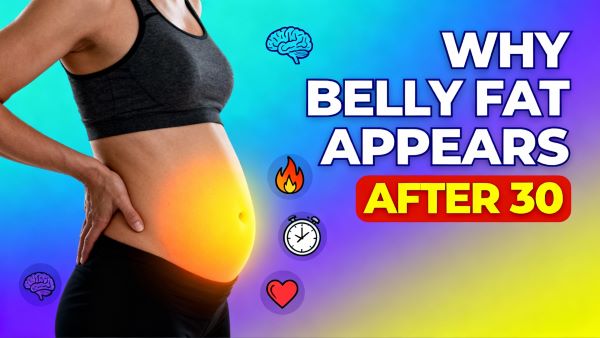
If you are over 30 and your belly seems to be growing even though you are not eating more than before, you are not alone. This is a very common problem, and it is strongly linked to hormones, insulin, and how the body stores fat with age. Intermittent fasting for belly fat after 30 has become popular because research shows it may help reduce this stubborn fat by improving metabolism and lowering insulin levels.
This article explains, in simple English, why belly fat increases after 30 and how fasting works with your body to support fat burning, better health, and long-term wellness.
Why Belly Fat Increases After 30
As we grow older, our metabolism changes. According to the National Institutes of Health (NIH), insulin sensitivity slowly declines after the age of 30. Insulin is the hormone that controls how sugar and fat move in your body.
When insulin stays high for long periods:
- Fat storage increases
- Fat burning decreases
- Belly fat becomes harder to lose
This leads to visceral fat and insulin resistance, a condition where fat collects deep inside the abdomen around organs like the liver and pancreas.
Unlike fat on your arms or legs, visceral fat is dangerous because it releases inflammatory chemicals that raise the risk of:
- Type 2 diabetes
- Heart disease
- Fatty liver
- High blood pressure
This is why many people look slim from behind but have a round belly from the side.

What Makes Visceral Fat Different
Visceral fat is not just extra weight. It acts like an active organ inside the body. Research from the World Health Organization (WHO) shows that this fat releases chemicals that increase inflammation and block insulin.
This type of fat is strongly linked to:
- High blood sugar
- Cholesterol problems
- Hormonal imbalance
That is why doctors focus on belly fat when checking metabolic health.
Why Eating Less Alone Often Fails
Many people try to reduce belly fat by simply eating fewer calories. But studies from Harvard Medical School show that calorie cutting without hormonal balance can slow down the metabolism.
When calories drop but insulin stays high:
- The body holds on to fat
- Muscle breaks down
- Energy levels fall
This is why people often regain weight after dieting.
How Fasting Changes the Body
Fasting for metabolic health works differently than normal dieting. When you stop eating for several hours, insulin levels drop. This allows fat to leave storage and be used as energy.
After about 12 hours of fasting:
- Stored sugar is used up
- Fat begins to burn
- Ketones are produced
This shift helps the body target visceral fat first, which is the most harmful type.
What Are Ketones and Why They Matter
Ketones are energy molecules made from fat by the liver. When you fast, fat breaks down and turns into ketones.
Studies from Johns Hopkins University show that ketones and fat burning support:
- Brain function
- Reduced inflammation
- Better energy production
This is why many people feel more focused and energetic during fasting.
Autophagy: The Body’s Cleaning System
One of the biggest benefits of fasting is autophagy and weight loss. Autophagy means your cells clean out old, damaged parts and replace them with new ones.
This process was proven so important that it earned a Nobel Prize in Medicine in 2016.
Autophagy supports:
- Anti-aging
- Stronger immunity
- Better metabolism
- Disease prevention
How to Start Intermittent Fasting Safely
You do not need extreme fasting to see benefits. A gentle approach works best.
Beginner Plan
- Week 1–2: 12-hour fasting
- Week 3–4: 16-hour fasting
Drink:
- Water
- Black coffee
- Green tea
Avoid sugar during fasting hours.
Exercise and Fasting
Research from the Journal of Clinical Endocrinology shows that light resistance training near the end of a fast may increase fat burning and muscle protection.
Best options:
- Strength training
- Bodyweight exercises
- Short HIIT sessions
Avoid long cardio when fasting.
Is Fasting Safe for Women?
According to NIH studies, women can benefit from fasting, but extreme fasting should be avoided. Balanced nutrition, protein intake, and moderate fasting are safer for hormonal health.
Conclusion
Belly fat after 30 is not just about eating more. It is linked to hormones, insulin, and how your body stores energy. Intermittent fasting for belly fat after 30 may help lower insulin, burn visceral fat, and improve overall metabolic health when done correctly.
By combining fasting, balanced eating, and smart exercise, you give your body the chance to work the way it was designed to.
If you want to improve your health, start with small fasting windows and stay consistent. Your future body will thank you.