
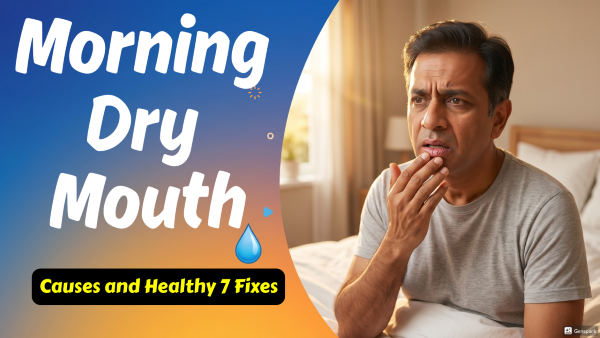
Do you wake up every morning with a Morning Dry Mouth, sticky mouth? If yes, you’re not alone.
Many people experience this issue and simply ignore it. But understanding morning dry mouth causes and fixes is important because it may not always be just about thirst.
Research from organizations like the National Institutes of Health (NIH) suggests that reduced saliva production can be linked to aging, medications, or underlying health conditions.
Your saliva does more than just keep your mouth wet. It helps:
- Protect your teeth
- Fight bacteria
- Support digestion
- Maintain overall oral health
So when your mouth feels dry every morning, your body may be trying to tell you something.
In this detailed guide, we will explore the real causes, risks, and simple fixes for morning dry mouth in an easy and practical way.
For more reliable, science-based information on morning dry mouth and related health conditions, you can refer to the NIH’s MedlinePlus guide on dry mouth and You can also explore the CDC resource on diabetes symptoms and prevention.
These trusted sources provide detailed insights, research-backed explanations, and practical health guidance to better understand underlying causes and when to seek medical advice.

morning dry mouth causes and fixes
⚠️ What Is Morning Dry Mouth?
Morning dry mouth, also called xerostomia, happens when your body produces less saliva during sleep.
This can lead to:
- Sticky feeling in the mouth
- Bad breath
- Cracked lips
- Difficulty swallowing
Occasional dryness is normal. But if it happens daily, you should understand the reason behind it.
💧 Why Saliva Is So Important
Saliva is not just water. It contains:
- Enzymes that help digestion
- Antibacterial proteins
- Minerals that protect teeth
According to the World Health Organization (WHO), oral health plays a key role in overall health, and saliva is your first line of defense.
Without enough saliva, your risk increases for:
- Tooth decay
- Gum disease
- Oral infections
🔍 7 Common Morning Dry Mouth Causes and Fixes
😴 1. Mouth Breathing During Sleep
One of the most common reasons is breathing through your mouth while sleeping.
Causes:
- Nasal blockage
- Allergies
- Sleep apnea
Signs:
- Snoring
- Sore throat in morning
- Dry lips
Fixes:
- Use nasal strips
- Sleep on your side
- Use a humidifier
👉 According to sleep research, untreated sleep apnea may increase heart risks.
💧 2. Dehydration During the Day
Many people think drinking water before bed helps. But actually, daytime hydration matters more.
Why it happens:
- Not drinking enough water
- Avoiding fluids in evening
Fixes:
- Drink water regularly during the day
- Add electrolytes (like lemon water)
🥕 3. Vitamin Deficiencies
Low levels of certain vitamins can reduce saliva production.
Important vitamins:
- Vitamin A
- Vitamin B12
Symptoms:
- Dry tongue
- Burning sensation
- Weak immunity
Fix:
- Eat leafy greens, eggs, dairy
- Consult doctor for supplements
👉 NIH research shows many older adults have low B12 levels.
🍬 4. Blood Sugar Imbalance
Dry mouth can be an early sign of diabetes.
Warning signs:
- Frequent urination at night
- Fatigue
- Blurred vision
Why it happens:
High sugar levels pull water from body tissues.
Fix:
- Check blood sugar levels
- Maintain healthy diet
👉 According to the CDC, millions of people have undiagnosed diabetes.
🧬 5. Autoimmune Conditions
Conditions like Sjögren’s syndrome attack saliva glands.
Symptoms:
- Dry mouth
- Dry eyes
- Joint pain
Fix:
- Medical diagnosis required
- Symptom management treatments
🧠 6. Nervous System Changes
Your saliva glands are controlled by nerves.
Changes in the nervous system can reduce saliva production.
Possible signs:
- Loss of smell
- Constipation
- Light dizziness
Fix:
- Medical evaluation if symptoms combine
💊 7. Medications (Most Common Cause)
This is the biggest reason for dry mouth.
Common medications:
- Antihistamines
- Antidepressants
- Blood pressure medicines
- Sleep aids
👉 Studies show 500+ medications may cause dry mouth.
Risks:
- Tooth decay
- Gum disease
- Cognitive impact
Fix:
- Review medications with doctor
- Ask for alternatives
📋 Quick Comparison Table
| Cause | Risk Level | Easy Fix Available |
|---|---|---|
| Mouth breathing | Medium | Yes |
| Dehydration | Low | Yes |
| Vitamin deficiency | Medium | Yes |
| Diabetes | High | Needs diagnosis |
| Autoimmune disease | High | Needs treatment |
| Nervous issues | High | Needs evaluation |
| Medications | Very High | Review needed |
✅ Simple Daily Fixes You Can Start Today
Here are easy ways to reduce dry mouth:
✔ Daily Habits
- Drink enough water during the day
- Avoid alcohol and caffeine at night
- Use a humidifier
✔ Oral Care
- Brush with fluoride toothpaste
- Use mouthwash for dry mouth
- Chew sugar-free gum
✔ Lifestyle
- Sleep on your side
- Avoid smoking
- Maintain balanced diet
⚠️ When Should You See a Doctor?
Consult a doctor if you have:
- Dry mouth daily for weeks
- Dry eyes + joint pain
- Frequent urination at night
- Difficulty swallowing
Early detection can prevent serious health issues.
❓ FAQs on Morning dry mouth causes and fixes :
1. What causes dry mouth in the morning every day?
Daily morning dry mouth can be caused by mouth breathing, dehydration, medications, or health conditions like diabetes or sleep apnea. If it happens regularly, it’s important to check the underlying cause instead of ignoring it.
2. Is waking up with a dry mouth normal?
Occasional dry mouth is normal, especially if you didn’t drink enough water. However, frequent or daily dry mouth is not normal and may indicate a health issue or side effect of medication.
3. Can dehydration cause dry mouth in the morning?
Yes, dehydration is one of the most common causes. If you don’t drink enough fluids during the day, your body may not produce enough saliva at night, leading to dryness in the morning.
4. Which medications commonly cause dry mouth?
Many medications can cause dry mouth, including:
- Antihistamines (allergy medicines)
- Antidepressants
- Blood pressure medications
- Sleep aids
If you suspect this, talk to your doctor before making any changes.
5. Can dry mouth be a sign of diabetes?
Yes, dry mouth may be an early sign of diabetes, especially if combined with symptoms like:
- Frequent urination
- Increased thirst
- Fatigue
A simple blood sugar test can help confirm this.
6. How can I stop dry mouth naturally at night?
You can try:
- Drinking enough water during the day
- Using a humidifier
- Sleeping on your side
- Avoiding alcohol and caffeine before bed
These simple steps may help reduce dryness.
7. Why is my mouth dry even after drinking water?
If your mouth stays dry even after drinking water, it may be due to:
- Medication side effects
- Vitamin deficiencies
- Nerve or gland issues
In such cases, hydration alone may not solve the problem.
8. Can vitamin deficiency cause dry mouth?
Yes, low levels of Vitamin B12 and Vitamin A can affect saliva production. This may lead to dry mouth, tongue discomfort, and oral health issues.
9. Is dry mouth related to sleep apnea?
Yes, sleep apnea often causes mouth breathing, which dries out your mouth during sleep. If you snore or feel tired after sleep, consider getting checked.
10. When should I see a doctor for dry mouth?
You should consult a doctor if:
- Dry mouth happens daily
- You have dry eyes or joint pain
- You wake up frequently at night
- You have trouble swallowing
Early diagnosis can help prevent complications.
11. Can dry mouth damage teeth?
Yes. Lack of saliva increases the risk of:
- Tooth decay
- Gum disease
- Bad breath
Saliva protects your teeth, so dryness should not be ignored.
12. Does aging cause dry mouth?
Aging itself doesn’t directly cause dry mouth, but older adults are more likely to experience it due to medications, reduced saliva production, and health conditions.
13. What foods help improve dry mouth?
Foods that may help include:
- Water-rich fruits (watermelon, cucumber)
- Leafy greens
- Dairy products
- Foods rich in Vitamin B
These support hydration and saliva production.
14. Can stress or anxiety cause dry mouth?
Yes, stress can affect your nervous system and reduce saliva flow, leading to temporary dry mouth, especially at night.
15. Is dry mouth dangerous?
Dry mouth itself is not always dangerous, but it can be a warning sign of underlying health issues. Long-term dryness may also affect oral and overall health.
🧾 Conclusion
Morning dry mouth may seem like a small problem, but it can be a sign of deeper health issues.
Understanding morning dry mouth causes and fixes helps you take control of your health early.
From simple hydration habits to checking medications, small steps can make a big difference.
👉 Listen to your body.
👉 Take action early.
👉 And don’t ignore daily symptoms.
Read More >>
Are You Eating Too Much Protein?
Best 5 Yoga Poses for Belly Fat at Home
One Minute Standing Exercises to Lose Belly Fat