
Have you ever wondered what keeps your body functioning every single day?
Breathing, thinking, moving, digesting food, and even sleeping properly depend on what you eat and drink.
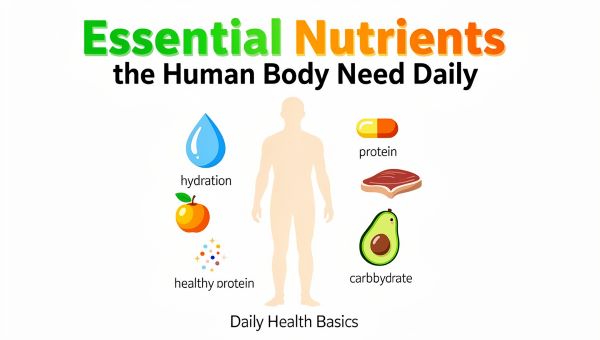
According to global health organizations like the World Health Organization (WHO) and the National Institutes of Health (NIH), the human body needs six essential nutrients to stay healthy and function normally. These nutrients work together to support energy production, growth, repair, and overall well-being.
In this beginner-friendly guide, we will clearly explain the essential nutrients the human body needs daily, their roles, and why each one matters—without medical jargon or exaggerated claims.
This article is for educational purposes only and does not replace professional medical advice.
What Are Essential Nutrients?
Essential nutrients are substances that the body cannot make on its own in sufficient amounts. This means we must get them regularly from food and drinks.
Health experts recognize six essential nutrients:
- Water
- Vitamins
- Proteins
- Fats
- Minerals
- Carbohydrates
Each nutrient has a unique function, and missing any one of them for a long time may affect normal body processes.
1. Water – The Most Important Nutrient
Water is often overlooked, but it is the most critical nutrient for human survival.
Research from the NIH shows that over 60% of the human body is made of water.
Why Water Is Essential
Water helps the body:
- Regulate body temperature
- Support brain and nerve function
- Aid digestion
- Transport nutrients and oxygen
- Remove waste products
According to the Centers for Disease Control and Prevention (CDC), even mild dehydration may reduce focus, energy levels, and physical performance.
Not drinking enough water may also contribute to:
- Fatigue
- Headaches
- Digestive discomfort
Water needs vary by individual, climate, and activity level, so this is general guidance.
2. Vitamins – Supporting Immunity and Health
Vitamins are micronutrients, meaning the body needs them in small amounts—but their impact is big.
The body requires 13 essential vitamins, including:
- Vitamin A
- Vitamin B group
- Vitamin C
- Vitamin D
- Vitamin E
- Vitamin K
Functions of Vitamins in the Body
According to the WHO and NIH, vitamins help:
- Support immune system function
- Protect cells from damage
- Maintain healthy skin, eyes, and nerves
- Support normal growth and repair
A lack of certain vitamins may be linked to weakness, low immunity, or skin and vision problems.
Vitamins are best obtained through a balanced diet. Supplements should only be used under professional guidance.
3. Protein – More Than Muscle Building
Protein is often associated only with muscles, but its role is much broader.
The NIH states that protein makes up around 16% of the average human body weight.
Why Protein Is Important
Protein is needed for:
- Muscles and bones
- Skin and hair
- Hormones and enzymes
- Antibodies that support immune defense
Proteins are made of amino acids, which help build and repair tissues.
Nutrition experts agree that protein intake supports normal body maintenance and repair, even during weight management, but individual needs may differ.
4. Fats – Essential in the Right Amount
Fats have a bad reputation, but modern research suggests a balanced view.
According to studies referenced by NIH and Harvard Health, fats:
- Help absorb fat-soluble vitamins (A, D, E, K)
- Support cell structure
- Provide energy
- Support brain and nerve function
Important Note
Excess intake of certain fats may increase health risks. Health organizations recommend moderation and balance, not complete avoidance.
This is general nutrition guidance and not personalized dietary advice.
5. Minerals – Small Nutrients with Big Roles
Minerals support many vital body processes.
Key Minerals and Their Functions
- Calcium – supports bones, teeth, muscle movement, and nerve signals
- Iron – helps produce red blood cells and transport oxygen
- Zinc – supports immune function and wound healing
The WHO highlights that mineral deficiencies are still common worldwide and may affect energy levels and immunity.
A varied diet usually helps meet mineral needs.
6. Carbohydrates – Fuel for the Brain
Carbohydrates are often misunderstood, but they play a vital role.
According to the CDC and NIH, carbohydrates are the primary energy source for the brain and nervous system.
Role of Carbohydrates
Carbohydrates:
- Provide quick energy
- Support brain function
- Help maintain normal physical activity
Whole grains, fruits, and vegetables are commonly recommended sources because they also provide fiber and essential nutrients.
The key is quality and portion control, not elimination.
Why a Balanced Intake Matters
No single nutrient works alone. The importance of nutrients for the body lies in how they work together.
A balanced diet may help:
- Support daily energy needs
- Maintain normal body functions
- Support long-term health
Nutritional needs vary by age, lifestyle, and health conditions.
Conclusion
Understanding the essential nutrients the human body needs daily helps you make informed and healthier food choices.
To recap, the six essential nutrients are:
- Water
- Vitamins
- Proteins
- Fats
- Minerals
- Carbohydrates
Each plays a unique role, and balance is key.
📌 Final Reminder:
This article is for educational purposes only and does not replace medical or nutritional advice. Always consult a qualified healthcare professional for personalized guidance.
If you found this guide helpful, consider sharing it with others who want a simple introduction to nutrition.