
Aging has always felt like an unavoidable part of life. As years pass, energy drops, joints stiffen, recovery slows, and the risk of chronic diseases increases. For decades, senolytics science explained treating individual age-related problems after they appeared.
But modern science is asking a deeper question:
What if aging itself has biological causes we can understand and possibly influence?
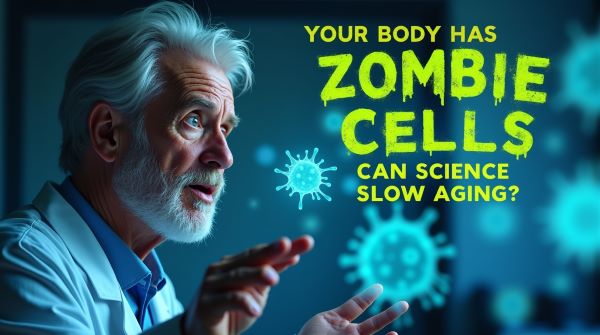
One of the most exciting areas of research today looks at something surprisingly strange — zombie cells. These cells may play a major role in how our bodies age, and scientists are studying a new approach called senolytics science to address them.
This article explains the topic in simple English, even if you have no science background.
🧬 What Are “Zombie Cells”?
Zombie cells is a nickname for senescent cells.
These are cells that:
- Are old or damaged
- Can no longer divide or function properly
- Refuse to die and stay in the body
Normally, when cells get damaged, the body repairs or removes them. But senescent cells don’t follow this rule. They stop working, yet they remain active in a harmful way.
Why Do Senescent Cells Exist at All?
At first, senescent cells are not bad. In small numbers, they:
- Help stop damaged cells from becoming cancerous
- Support wound healing
- Protect tissues temporarily
The problem starts when too many senescent cells build up over time.
🔥 How Zombie Cells Affect Cellular Aging
As we age, senescent cells begin to accumulate in different tissues such as:
- Joints
- Muscles
- Blood vessels
- Organs
- Brain
These cells release harmful chemical signals known as SASP (Senescence-Associated Secretory Phenotype).
What Is SASP and Why It Matters
SASP is a mix of inflammatory chemicals that:
- Increase chronic inflammation
- Damage nearby healthy cells
- Disrupt tissue function
- Speed up cellular aging
This ongoing inflammation is strongly linked to:
- Heart disease
- Arthritis
- Type 2 diabetes
- Muscle weakness
- Cognitive decline
In simple terms, zombie cells make the internal environment of the body unhealthy.
🧪 Senolytics Science Explained: A New Approach to Aging
This is where senolytics science explained becomes important.
Senolytics are compounds that scientists are studying for their ability to:
- Target senescent cells
- Help the body remove them
- Reduce inflammation caused by SASP
Instead of treating one disease at a time, senolytics aim to address one of the root causes of aging itself.
This approach represents a major shift in how scientists think about age-related health.
⚙️ How Senolytics Work (In Simple Terms)
Senescent cells survive by activating special internal defense systems. Senolytic compounds are designed to interfere with these survival pathways.
When that happens:
- Zombie cells lose their protection
- The body’s natural cleanup systems remove them
- Healthy cells are left mostly unaffected
This selective targeting is what makes senolytics different from traditional drugs.
❤️ Healthspan vs Lifespan: Why This Research Matters
A key concept in longevity research is healthspan.
- Lifespan = how long you live
- Healthspan = how long you live in good health
Most people don’t just want more years. They want:
- Better mobility
- Clear thinking
- Independence
- Fewer chronic illnesses
Early studies suggest that clearing senescent cells may support:
- Reduced chronic inflammation
- Improved movement in older age
- Better tissue function
- Healthier aging overall
This is why senolytics research is often linked to the goal of adding healthy years to life, not making unrealistic promises.
🔬 What Does Current Research Say?
Most senolytics research is still ongoing.
So far:
- Animal studies show improved physical function and resilience
- Early human trials are exploring safety and targeted use
- Researchers are testing how often treatments may be needed
Institutions connected to aging biology, including research groups supported by organizations like the NIH, are actively studying this field.
It is important to understand:
- Senolytics are not approved anti-aging treatments
- Research is evolving
- Long-term effects are still being studied
This is promising science — not a miracle cure.
🧠 The Role of the Immune System in Aging
As we age, the immune system becomes less efficient.
That means:
- Senescent cells are cleared more slowly
- Inflammation becomes long-lasting
- Recovery takes longer
By reducing the burden of zombie cells, researchers believe the immune system may function in a healthier environment — another reason this field is gaining attention.
🚀 The Future of Longevity Medicine
Senolytics are just one part of a much bigger picture.
The future of longevity medicine may include:
- Cellular rejuvenation strategies
- Improved immune support
- Personalized aging interventions
- Early prevention instead of late treatment
Rather than asking, “How do we treat disease?”, science is asking:
“How do we slow the biological processes that lead to disease?”
This mindset shift could redefine aging care in the coming decades.
⚠️ Important Safety Note
This article is for educational purposes only.
- Senolytic therapies are still under research
- Not all supplements claiming anti-aging benefits are supported by science
- Always consult qualified healthcare professionals for medical decisions
Responsible science communication is key to trust and safety.
🌱 Conclusion: Aging Is No Longer Just About Time
Aging is not simply the number of candles on a cake. It is deeply connected to what happens inside our cells every day.
Zombie cells — once just a strange idea — are now a serious focus of modern aging research. Through senolytics science, researchers are learning how clearing senescent cells may support healthier aging and improved quality of life.
While there is still much to learn, one thing is clear:
Aging is becoming something science understands — not just something we accept.
If you’re interested in evidence-based health, longevity research, and the future of medicine, this is a topic worth following closely.