
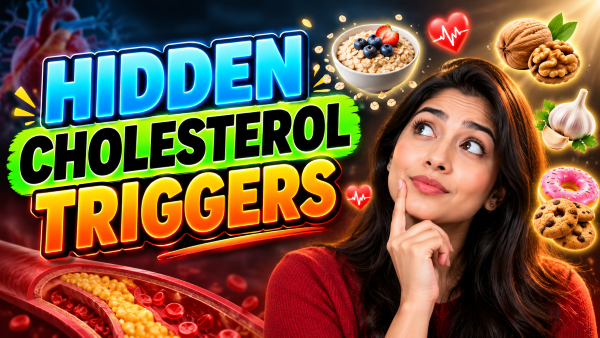
Hidden Cholesterol Triggers: Simple Tips for Healthy LDL Levels
When people hear the word cholesterol, they often think of fatty foods or eggs as the main problem. But research shows that hidden cholesterol triggers in your daily diet and routine may have a bigger impact on your LDL (“bad”) cholesterol than you realize. In this guide, you’ll learn what these triggers are, how your liver controls most of your cholesterol, and which simple food and lifestyle changes may support healthier LDL levels and better heart health.
What Is Cholesterol—and Why Does Your Body Need It?
Cholesterol is a waxy, fat-like substance found in every cell of your body. It’s not all bad. In fact, your body needs cholesterol to:
-
Build cell membranes
-
Make hormones like estrogen and testosterone
-
Produce vitamin D
-
Create bile acids that help digest fat
About 70–80% of your cholesterol is made by your liver, and only around 20–30% comes from the food you eat. That’s why focusing only on “high-cholesterol foods” (like eggs) often misses the bigger picture. The real issue for many people is how their liver handles cholesterol under stress from certain foods and habits.lipid+1
LDL vs. HDL: The Basics of Hidden Cholesterol Triggers
-
LDL (low-density lipoprotein): Often called “bad” cholesterol because high levels can lead to plaque buildup in arteries.
-
HDL (high-density lipoprotein): Known as “good” cholesterol because it helps carry LDL away from arteries to the liver for removal.
Your lipid profile blood test usually includes total cholesterol, LDL, HDL, and triglycerides. Doctors look at the whole picture, not just one number.heart
The Real Problem: Oxidized LDL and Inflammation
High LDL alone isn’t the only concern. When LDL particles become oxidized (damaged by free radicals), they are more likely to stick to artery walls and form plaque. This process is strongly linked to inflammation in the body.
Key drivers of oxidized LDL and inflammation include:
-
Excess added sugars and refined carbs
-
Industrial trans fats and highly refined oils
-
Smoking and chronic stress
-
Poor sleep and lack of physical activity
So, managing cholesterol isn’t just about lowering LDL—it’s also about protecting LDL from oxidation and calming inflammation.heart+1
Hidden Cholesterol Triggers in Your Daily Diet
Many people eat “healthy” but still struggle with high LDL or triglycerides. Often, the culprits are hidden in everyday foods and habits.
1. Added Sugars and Refined Carbohydrates
Foods like sugary drinks, sweets, white bread, pastries, and many packaged snacks can spike your blood sugar and insulin. Over time, this can:
-
Increase triglycerides
-
Raise VLDL (a precursor to LDL)
-
Promote fat storage in the liver (fatty liver)
The World Health Organization (WHO) recommends keeping added sugars under 10% of your daily calories, with further benefits seen below 5%. For a 2,000-calorie diet, that’s less than 50 grams (about 12 teaspoons) of added sugar per day.scienceinsights
Common hidden sugar sources:
-
Flavored yogurts
-
Breakfast cereals and “healthy” bars
-
Sauces and dressings (ketchup, BBQ sauce, some salad dressings)
-
Packaged fruit juices and smoothies
2. Industrial Trans Fats and Highly Refined Oils
Trans fats are created when liquid oils are hardened through industrial processing. They are found in:
-
Some baked goods (cookies, cakes, pastries)
-
Fried fast foods
-
Certain margarines and shortenings
-
Packaged snack foods
Trans fats can:
-
Raise LDL cholesterol
-
Lower HDL cholesterol
-
Increase inflammation and heart disease risk
Many countries have restricted artificial trans fats, but they can still appear in some products. Always check ingredient lists for “partially hydrogenated oils.”heart+1
Highly refined vegetable oils (like some generic soybean, corn, or sunflower oils) aren’t the same as trans fats, but heavy use—especially in ultra-processed foods—can contribute to an imbalanced omega‑6 to omega‑3 ratio and oxidative stress. Choosing minimally processed oils (like olive oil, cold-pressed mustard oil, or canola) in moderation is generally a better option.
3. “Low-Fat” and “Fat-Free” Packaged Foods
Many “low-fat” or “fat-free” products replace fat with added sugars, refined starches, or artificial ingredients to improve taste and texture. This can:
-
Increase calorie intake
-
Spike blood sugar and insulin
-
Raise triglycerides and VLDL
Instead of chasing “low-fat” labels, focus on whole, minimally processed foods with healthy fats from nuts, seeds, fish, and plant oils.health.mountsinai
4. Excess Alcohol
Drinking too much alcohol can:
-
Raise triglycerides
-
Contribute to fatty liver
-
Increase blood pressure
If you drink, do so in moderation. For many adults, that means up to one drink per day for women and up to two for men—but less is often better for lipid and liver health.heart
5. Large Portions and Late-Night Eating
Eating very large meals, especially late at night, can:
-
Disrupt blood sugar control
-
Increase fat storage in the liver
-
Worsen lipid profiles over time
Smaller, balanced meals and avoiding heavy late-night snacking may support better metabolic health.health.mountsinai
How Your Liver Controls Most of Your hidden cholesterol triggers
Your liver is the control center for cholesterol. It:
-
Makes most of your body’s cholesterol
-
Packages cholesterol into lipoproteins (LDL, HDL, VLDL)
-
Removes excess cholesterol through bile
When your liver is under metabolic stress (from excess sugar, refined carbs, trans fats, alcohol, or inactivity), it may:
-
Produce more VLDL and triglycerides
-
Release more LDL into the bloodstream
-
Struggle to clear LDL efficiently
Supporting your liver with better food choices, fiber, and movement can help improve how it handles cholesterol.lipid
Foods That May Support Healthy hidden cholesterol triggers
While avoiding hidden triggers is crucial, adding certain foods may also help support healthier LDL and triglyceride levels.
1. Oats and Other Soluble Fiber Sources
Oats contain a type of soluble fiber called beta-glucan. In your gut, beta-glucan forms a gel that binds bile acids (made from cholesterol) and helps remove them from the body. Your liver then pulls LDL from your blood to make more bile, which can lower LDL levels.
How much?
Aim for at least 3 grams of beta-glucan per day, which is roughly:
-
1½ cups of cooked oats, or
-
Equivalent amounts from other beta-glucan–rich grains
Other soluble fiber sources:
-
Barley
-
Beans and lentils
-
Psyllium husk
-
Brussels sprouts
-
Apples and pears
The National Lipid Association notes that getting 5–10 grams of soluble fiber daily may help lower LDL. Each extra gram of soluble fiber can reduce LDL by about 2 mg/dL on average.
2. Nuts (Especially Walnuts and Almonds)
Nuts are rich in:
-
Unsaturated fats
-
Plant sterols (which compete with cholesterol for absorption)
-
Fiber and antioxidants
Studies suggest that a daily handful of nuts (about 1 ounce or 28 grams) may help lower total cholesterol and LDL, especially when they replace chips, crackers, or other processed snacks.
Tips:
-
Choose unsalted, unroasted or dry-roasted nuts.
-
Avoid nuts coated in sugar, honey, or heavy salt.
3. Garlic
Garlic contains sulfur compounds like allicin, which may modestly improve cholesterol and blood pressure in some people. Some clinical studies report up to a 10% reduction in total and LDL cholesterol with regular garlic intake, though results vary.
How to use:
-
Crush or chop raw garlic and let it sit for 5–10 minutes before cooking to activate allicin.
-
Use in curries, stir-fries, soups, and dressings.
Garlic is best seen as a supportive food, not a replacement for prescribed medications if your doctor has recommended them.
4. Omega‑3 Rich Foods: Fatty Fish and Flaxseeds
Omega‑3 fatty acids don’t drastically lower LDL, but they can:
-
Lower triglycerides
-
Reduce inflammation
-
Support flexible arteries and healthy heart rhythm
Non-vegetarian options:
-
Salmon
-
Mackerel
-
Sardines
-
Fresh local fatty fish
Vegetarian options:
-
Ground flaxseeds (alsi)
-
Chia seeds
-
Walnuts
A 2024 meta-analysis of 62 trials found that flaxseed supplementation lowered LDL, total cholesterol, and triglycerides. Grind flaxseeds fresh and add them to smoothies, oatmeal, or yogurt.
5. Green Tea
Green tea is rich in antioxidants called catechins, especially EGCG. These compounds may:
-
Reduce cholesterol absorption in the intestine
-
Speed up LDL breakdown in the liver
-
Help prevent LDL oxidation
Drinking 1–2 cups of plain green tea daily (without sugar) may be a simple habit to support heart health as part of an overall healthy diet.
6. Beans, Lentils, and Legumes
Beans and legumes are a staple in many traditional diets and are excellent for cholesterol management. They provide:
-
Soluble fiber
-
Resistant starch
-
Plant protein
When soluble fiber reaches your colon, it ferments into short-chain fatty acids like butyrate, which can signal the liver to slow cholesterol production. Regular intake of beans and lentils is associated with lower LDL and better blood sugar control.
Examples:
-
Rajma (kidney beans)
-
Black beans
-
Chickpeas (chole)
-
Lentils (moong, masoor, toor, urad)
-
Lobia (black-eyed peas)
Soak and cook them properly to improve digestion and reduce gas.
7. Amla (Indian Gooseberry)
Amla is rich in vitamin C, polyphenols, tannins, and pectin (a soluble fiber). Its antioxidant profile may help:
-
Neutralize oxidative stress in the liver
-
Support healthier LDL and triglyceride levels
-
Improve blood vessel function
Small human studies and reviews suggest amla may improve lipid parameters, though more large-scale trials are needed. You can use fresh amla juice, powder, or whole fruit as part of a balanced diet.
Lifestyle Habits That May Support Healthy Cholesterol
Food is powerful, but lifestyle habits also play a major role.
1. Regular Physical Activity
Aim for at least:
-
150 minutes per week of moderate aerobic activity (like brisk walking), or
-
75 minutes per week of vigorous activity (like jogging or cycling)
Plus, add strength training 2–3 days per week. Exercise can:
-
Improve insulin sensitivity
-
Lower triglycerides
-
Raise HDL slightly
-
Support weight management
Even a daily 30-minute brisk walk can make a meaningful difference over time.health.mountsinai
2. Weight Management
If you carry extra weight, especially around your waist, even a 5–10% weight loss can improve:
-
Triglycerides
-
LDL particle quality
-
Blood sugar and blood pressure
Focus on sustainable changes rather than quick fixes.health.mountsinai
3. Sleep and Stress Management
Poor sleep and chronic stress can:
-
Disrupt hunger hormones
-
Increase cravings for sugary and fatty foods
-
Worsen blood sugar and lipid profiles
Aim for 7–9 hours of quality sleep and practice stress-reduction techniques like:
-
Deep breathing
-
Meditation
-
Light yoga or stretching
-
Time in nature
4. Avoid Smoking and Limit Alcohol
Smoking damages blood vessels, lowers HDL, and increases oxidized LDL. Quitting smoking is one of the most powerful steps you can take for heart health.heart
If you drink alcohol, keep it moderate and avoid binge drinking, especially if you have high triglycerides or fatty liver.heart
Simple Meal Ideas to Support Healthy Cholesterol
Here are a few easy, beginner-friendly meal ideas that align with heart-healthy eating:
Breakfast Options
-
Oats porridge with ground flaxseeds, walnuts, and berries
-
Vegetable omelet with spinach, tomatoes, and a slice of whole-grain toast
-
Greek yogurt (unsweetened) with chia seeds, sliced apple, and a sprinkle of cinnamon
Lunch Options
-
Lentil soup with a side salad (mixed greens, cucumber, tomatoes, olive oil–lemon dressing)
-
Chickpea salad with chopped vegetables, herbs, and a small portion of brown rice or quinoa
-
Grilled fish (or tofu) with steamed broccoli, carrots, and a small serving of whole grains
Dinner Options
-
Stir-fried vegetables with tofu or chicken, flavored with garlic and ginger, served over a small portion of barley or quinoa
-
Bean and vegetable curry with a side of sautéed greens
-
Baked salmon (or baked spiced chickpeas for vegetarians) with roasted sweet potatoes and a green salad
Snacks
-
A small handful of unsalted nuts
-
Sliced vegetables with hummus
-
Green tea with a few roasted chana (chickpeas)
-
Fresh fruit (like an apple or orange) with a spoon of nut butter
These are examples, not strict rules. Adjust portions and choices based on your needs, culture, and preferences.
Common Myths About hidden cholesterol triggers
Let’s clear up a few common misunderstandings.
Myth 1: “All Cholesterol Is Bad”
Reality: Your body needs cholesterol for essential functions. The goal is a healthy balance, not zero cholesterol.heart+1
Myth 2: “Eggs Are the Main Problem”
Reality: For most people, dietary cholesterol from eggs has a smaller effect on blood LDL than saturated fats, trans fats, refined carbs, and added sugars. If your doctor hasn’t restricted eggs, moderate intake (like 1 egg a day) can fit into a heart-healthy diet for many people.heart+1
Myth 3: “Fat-Free Foods Are Always Better”
Reality: Many fat-free products are high in sugar and refined starches, which can worsen triglycerides and LDL over time. Focus on quality of fats and overall diet pattern instead.health.mountsinai
Myth 4: “Supplements Alone Will Fix High Cholesterol”
Reality: Some supplements (like psyllium, plant sterols, or certain omega‑3s) may support cholesterol management, but they work best alongside a healthy diet and lifestyle. Always talk to your doctor before starting supplements, especially if you take medications.
When to See a Doctor or Dietitian
You should consider professional guidance if:
-
Your lipid profile shows high LDL, high triglycerides, or low HDL
-
You have a family history of early heart disease
-
You have conditions like diabetes, high blood pressure, or fatty liver
-
You’re unsure how to adjust your diet safely
A doctor or registered dietitian can:
-
Interpret your lab results in context
-
Suggest personalized diet and lifestyle changes
-
Decide if medication is appropriate for you
Never stop or change prescribed medications without medical advice.health.mountsinai+1
A Simple Action Plan to Start Today
You don’t need to change everything at once to tackle Hidden Cholesterol Triggers. Small, consistent steps focused on Hidden Cholesterol Triggers often work best. By gradually identifying and reducing Hidden Cholesterol Triggers in your daily routine, you can support healthier LDL levels without feeling overwhelmed.
This week, try to:
-
Swap one sugary drink for water or plain green tea
-
Add one serving of beans or lentils to your meals
-
Replace chips or cookies with a small handful of unsalted nuts
-
Walk briskly for 20–30 minutes most days
-
Read labels and avoid products with “partially hydrogenated oils”
This month, aim to:
-
Include oats or another soluble fiber source most mornings
-
Cook more meals at home using whole ingredients
-
Limit bakery items, fried fast foods, and ultra-processed snacks
-
Prioritize 7–9 hours of sleep and simple stress-reduction practices
Track how you feel and, if possible, recheck your lipid profile after 8–12 weeks of consistent changes.
Conclusion: hidden cholesterol triggers
Cholesterol management isn’t about one “magic” food or a strict diet you can’t maintain. It’s about recognizing hidden cholesterol triggers—like added sugars, refined carbs, trans fats, and ultra-processed foods—and building daily habits that support your liver, blood vessels, and overall metabolic health.
Key takeaways:
-
Most of your cholesterol is made by your liver, not just from food.
-
Hidden triggers like sugar, refined carbs, and trans fats may raise LDL and triglycerides more than you expect.
-
Foods like oats, nuts, garlic, omega‑3 sources, green tea, beans, and amla may support healthier cholesterol levels as part of a balanced diet.
-
Regular physical activity, good sleep, stress management, and avoiding smoking are equally important.
-
Work with your doctor or dietitian for personalized advice, especially if you have existing health conditions.
Start with one or two changes this week. Over time, these small steps can add up to meaningful improvements in your lipid profile and heart health.
Ready-to-Use Comparison Table: Foods That May Help hidden cholesterol triggers
You can insert this table directly into your blog to summarize key points.
This table reinforces the core message: it’s not just “fat vs. no fat,” but the type and quality of foods and habits that matter most.
Call to action:
If you found this guide helpful, share it with a friend or family member who’s working on their hidden cholesterol triggers. For more science-backed tips on nutrition and heart health, subscribe to our newsletter or explore more articles on our blog.
Incredible Results of Quitting Sugar for 14 Days
Beginner Morning Yoga for Better Digestion
10-Minute workout for women over 50