
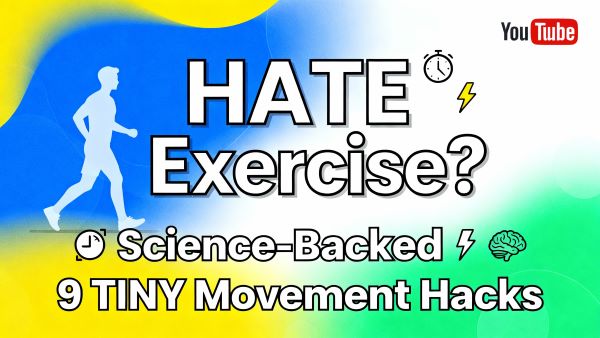
Introduction: Why Traditional Exercise Doesn’t Work for Everyone
If you hate exercising or feel you have no time to work out, you are not alone. Millions of people struggle to stick to regular exercise routines, not because they are lazy, but because traditional workouts simply do not fit their lifestyle or biology.
This is where micro movement hacks for busy people who hate exercise come in. Modern research shows that short, frequent movements spread throughout the day can significantly improve metabolism, blood sugar control, heart health, and muscle strength—without gym sessions or long workouts.
In this blog, you will learn science-backed, practical movement strategies that take seconds or minutes, not hours. These methods are realistic, sustainable, and especially helpful for busy professionals, desk workers, and adults over 35.
What Are Micro Movement Hacks?
Micro movement hacks are small bursts of physical activity that fit naturally into your day. Instead of scheduled workouts, these movements focus on:
- Short duration
- High consistency
- Low mental resistance
- Biological effectiveness
They work by reducing long sitting time and activating muscles frequently, which supports metabolic health.
The Science Behind Small Movements
Research clearly shows that long periods of sitting are harmful, even for people who exercise occasionally. Small movements performed regularly can:
- Improve insulin sensitivity
- Support heart and blood vessel health
- Reduce muscle loss with aging
- Increase daily calorie burn
This approach aligns with how the human body evolved—to move often, not occasionally.
Micro Movement Hacks for Busy People Who Hate Exercise
1. The 3-Minute Movement Break
If you sit for long hours, this habit can make a big difference.
Every hour, take just 3 minutes to move your body. You can choose any activity you like, such as:
- Squats
- Push-ups
- Brisk walking
- Stair climbing
- Marching in place
Why it works:
Studies show that short activity breaks spread across the day improve blood sugar control and cardiovascular health far better than sitting continuously.
Even three minutes is powerful when done consistently.
2. The 4-Second High-Effort Rule
If three minutes feels too much, try four seconds.
Research on high-intensity intervals shows that very brief bursts of intense effort can activate muscles, heart rate, and metabolism quickly.
Examples include:
- 4 seconds of fast stair climbing
- 4 seconds of all-out sprinting
- 4 seconds of aggressive marching
This is the most minimal form of HIIT, perfect for people who say they have “zero time.”
Key takeaway:
Quality of movement matters more than duration.
3. Just 15 Minutes of Strength Training Per Week
You do not need daily strength training. Research from global health organizations shows that one short, focused session per week can help protect muscle health.
This is important because aging naturally leads to muscle loss, known as sarcopenia.
Benefits of weekly strength training include:
- Better balance and joint support
- Improved metabolism
- Reduced injury risk
- Greater independence with age
Fifteen minutes once a week is enough to build a strong foundation.
Lifestyle Movement (NEAT): The Hidden Health Booster
What Is NEAT?
NEAT stands for Non-Exercise Activity Thermogenesis. It refers to calories burned during everyday activities like walking, standing, and moving lightly.
For many people, NEAT contributes more to daily energy use than workouts.
4. Walk While You Talk
The next time you take a phone call, stand up and walk.
You can:
- Pace around your room
- Walk in your office
- March gently in place
A 20–30 minute phone call becomes effortless movement without extra time.
5. Walk After Meals
Instead of sitting immediately after eating, take a 10–15 minute walk.
Research supported by diabetes organizations shows that post-meal walking:
- Reduces blood sugar spikes
- Improves digestion
- Supports metabolic health
This simple habit has a powerful long-term impact.
6. Desk Calf Activations
If you must sit, you can still move.
While seated, perform:
- Foot raises
- Calf pumps
The calf muscle, especially the soleus, plays a role in blood sugar regulation. Emerging research suggests that activating this muscle may help reduce the negative effects of prolonged sitting.
Habit Science: How to Make Movement Stick
Even the best tips fail without consistency. Habit science makes movement automatic.
7. The 2-Minute Rule
If something takes less than two minutes, do it immediately.
Instead of committing to a full walk, commit to:
- Putting on walking shoes
- Standing up
- Doing one squat
Once you start, continuing becomes easier.
8. Habit Stacking (After-Then Method)
Attach movement to habits you already do.
Examples:
- After making coffee, then do 10 calf raises
- After using the bathroom, then do 5 squats
This removes the need for motivation.
9. The Visible Reminder Trick
Your environment shapes your behavior.
Helpful changes include:
- Keeping workout shoes visible
- Placing a yoga mat near your desk
- Keeping the remote control far away
Make movement easy and sitting less convenient.
Why This Approach Works Long Term
These strategies do not rely on discipline or motivation. They work because they:
- Fit real life
- Respect biology
- Reduce mental resistance
- Encourage consistency
You don’t need perfection. You need small actions repeated daily.
Conclusion: Start Small, Stay Consistent
If you hate exercise, forcing yourself into intense workouts is not the answer. Micro movement hacks for busy people who hate exercise offer a smarter, science-backed alternative.
Start with:
- One 3-minute break
- One post-meal walk
- One habit-stacked movement
Over time, these small actions add up to better metabolism, stronger muscles, and improved overall health.
👉 Choose one tip today and start moving smarter—not harder.
Thanks , I have just been searching for information about this topic for ages and yours is the best I’ve discovered till now. But, what about the conclusion? Are you sure about the source?