
🧠 Introduction
If you are searching for smoke point cooking oils for Indian cooking, you are already ahead of most people.
The oil you use every day can quietly decide whether your body stays healthy or slowly develops inflammation.
Many people believe that using olive oil or refined vegetable oil automatically means healthy cooking. But science tells a different story. The real danger is not the oil itself—it is how hot the oil gets during cooking.
The most critical factor people ignore is the smoke point of cooking oils. When oil crosses its smoke point, it breaks down and produces harmful compounds that may increase inflammation, heart risk, and long-term health problems.
In this blog, you will learn:
- What smoke point really means
- Why some “healthy” oils become harmful at high heat
- Common oil myths in Indian kitchens
- The safest cooking oils for high-heat cooking
- How to choose the right oil for daily use
Let’s simplify the science and help you cook smarter.
🔬 What Is Smoke Point? (Explained Simply)
🔥 Smoke Point Meaning
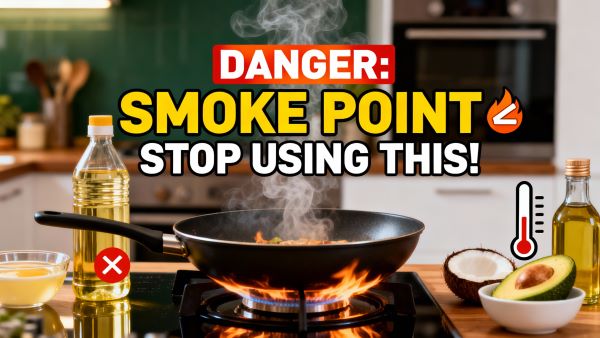
The smoke point is the temperature at which oil starts to smoke visibly in the pan.
Once oil reaches this point:
- Its structure begins to break down
- Nutrients get destroyed
- Harmful compounds are released
These compounds include:
- Free radicals
- Aldehydes
- Oxidized fats
All of these are linked to chronic inflammation, which is connected to many lifestyle diseases.
⚠️ Why Cooking Above Smoke Point Is Dangerous
When oil is overheated regularly, it may contribute to:
- Chronic inflammation
- Heart disease risk
- Joint pain and stiffness
- Digestive issues
- Hormonal imbalance
- Weight gain over time
This does not happen in one day. It happens slowly and silently, through daily cooking habits.
❌ The Biggest Cooking Oil Mistake in Indian Kitchens
Indian cooking often involves:
- High flames
- Tadka and deep frying
- Reheating oil
- Long cooking durations
The mistake is using low smoke point oils for these high-heat methods.
Even a so-called “healthy” oil becomes harmful when repeatedly heated beyond its smoke point.
🧠 Common Cooking Oil Myths You Should Stop Believing
❌ Extra Virgin Olive Oil for Frying
Extra virgin olive oil is excellent for:
- Salads
- Low-heat cooking
- Drizzling after cooking
But it has a low smoke point, making it unsuitable for high-heat frying or tadka. Heating it too much can destroy its benefits and create harmful by-products.
❌ Refined Sunflower Oil Is Heart-Friendly
Refined sunflower oil is heavily processed. This processing makes the oil chemically unstable at high temperatures.
When overheated, it may promote inflammation instead of reducing it.
❌ Canola and Soybean Oils Are Balanced
These oils contain high levels of omega-6 fatty acids. While omega-6 is essential, too much—especially when heated—may promote inflammation.
Modern diets already contain excess omega-6, making these oils less ideal for daily high-heat cooking.
❌ Rice Bran Oil Is the Best Indian Oil
Rice bran oil is marketed as balanced, but its industrial extraction process and moderate heat stability raise concerns when compared to traditional fats like ghee or coconut oil.
❌ Cold-Pressed Oils Are Safe for All Cooking
Cold-pressed only refers to how oil is extracted, not how much heat it can tolerate.
Many cold-pressed oils have low smoke points and are best used for:
- Low heat
- Raw consumption
- Finishing dishes
✅ Safest Cooking Oils for High-Heat Indian Cooking
Now let’s focus on solutions backed by science and tradition.
🥇 Ghee – The Most Stable Cooking Fat
Ghee has:
- A very high smoke point
- Excellent heat stability
- Long shelf life
It does not break down easily and has been used safely in Indian cooking for centuries.
Best for:
Tadka, frying, sautéing, daily cooking
🥈 Coconut Oil – Naturally Heat Stable
Coconut oil contains a high amount of saturated fat, which makes it more resistant to heat damage.
Best for:
Stir-frying, deep frying, South Indian dishes
🥉 Avocado Oil or Pure Mustard Oil
Avocado oil has one of the highest smoke points among plant oils and a neutral taste.
Pure mustard oil is a traditional Indian option with good heat stability when used properly.
Best for:
High-heat cooking, roasting, frying
🛒 How to Choose the Right Cooking Oil
Before buying any oil, check:
- Smoke point
- Processing method
- Cooking style used at home
Simple Rule to Follow
- High heat → High smoke point oil
- Low heat or raw → Low smoke point oil
This small change can greatly reduce daily inflammation exposure.
🧠 Practical Tips for Healthier Cooking
- Avoid overheating oil until it smokes
- Do not reuse oil multiple times
- Match oil to cooking method
- Rotate oils instead of using one oil for everything
- Prefer traditional fats for high-heat cooking
✅ Conclusion: Cook Smart, Not Blindly
The oil you pour into your pan every day matters more than you think.
Instead of trusting labels like “light” or “heart-healthy,” learn to check the smoke point of cooking oils. This simple habit can protect your heart, joints, digestion, and long-term health.
Smart oil choices today = better health tomorrow.
👉 Start by switching to heat-stable oils for daily cooking.
👉 Use low smoke point oils only where they belong.
Your body will thank you.
Hi there! I know this is kinda off topic but I’d figured I’d ask. Would you be interested in trading links or maybe guest authoring a blog post or vice-versa? My website goes over a lot of the same topics as yours and I believe we could greatly benefit from each other. If you’re interested feel free to shoot me an e-mail. I look forward to hearing from you! Wonderful blog by the way!