
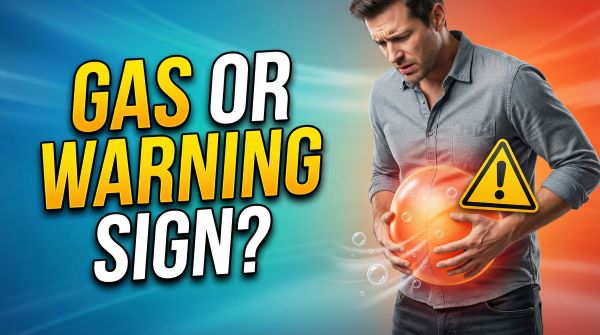
Do you often feel uncomfortable after meals and wonder about the causes of gas and bloating after eating?
You are not alone. Many people experience bloating, heaviness, or tightness in the stomach even after eating small amounts of food. While occasional gas is normal, frequent bloating may signal underlying digestive issues.
According to health organizations like the National Institutes of Health, gas is a natural byproduct of digestion. However, excess gas or trapped air in the digestive system can lead to discomfort and visible swelling.
In this blog, we will explore the main causes, warning signs, and simple lifestyle tips that may support better digestion.
🖼️ Visual Insight: What is Bloating?
🟡 What Causes Gas and Bloating After Eating?
Understanding the causes of gas and bloating after eating can help you manage symptoms more effectively.
1. 🐢 Slow Digestion
When food moves slowly through the digestive system, it may start fermenting in the gut. This process produces gas.
Common triggers:
- Eating late at night
- Oily or heavy meals
- Overeating
Symptoms:
- Feeling full for long periods
- Frequent burping
- Tight stomach
2. 🟤 Liver Function and Digestion
The liver produces bile, which helps break down fats.
If bile production is reduced, digestion may slow down. This can contribute to bloating.
The World Health Organization highlights that lifestyle habits like poor diet and low physical activity may affect liver health.
3. 🔥 Gastritis and Acidity
Gastritis occurs when the stomach lining becomes inflamed.
Possible causes:
- Excess tea or coffee
- Spicy foods
- Eating on an empty stomach
Symptoms include:
- Burning sensation
- Bitter taste
- Bloating right after meals
4. ⚠️ Irritable Bowel Syndrome (IBS)
IBS is a common digestive condition linked to stress and gut sensitivity.
Research from the Centers for Disease Control and Prevention shows that gut health and mental health are closely connected.
Types of IBS:
- IBS-C (constipation type)
- IBS-D (diarrhea type)
👉 Both may cause bloating and discomfort.
5. 🚫 Constipation
When bowel movements are irregular, waste stays longer in the intestines.
This may trap gas and cause bloating.
Signs:
- Hard stools
- Incomplete bowel movement
- Abdominal heaviness
6. 🥛 Food Intolerance
Some people cannot digest certain foods properly.
Examples:
- Lactose intolerance (milk products)
- Gluten sensitivity (wheat products)
Symptoms:
- Gas
- Cramps
- Bloating after specific foods
🚨 Warning Signs You Should Not Ignore
While bloating is often harmless, some symptoms may require medical attention.
Seek professional advice if you notice:
- Unexplained weight loss
- Persistent abdominal pain
- Changes in stool color or texture
- Chronic acidity or bitterness
- Night-time bloating
These signs may indicate deeper digestive concerns.
🌿 Simple Tips That May Support Better Digestion
(These are general lifestyle suggestions, not medical treatment.)
🌅 1. Start Your Day Right
- Drink warm water in the morning
- Take a short walk
🍽️ 2. Choose Easy-to-Digest Foods
- Light meals like porridge or khichdi
- Papaya (contains natural enzymes)
- Buttermilk (if tolerated)
🚫 3. Avoid Certain Habits
- Eating late at night
- Excess caffeine
- Deep-fried foods
- Carbonated drinks
🚶 4. Improve Eating Habits
- Eat slowly and chew properly
- Avoid overeating (eat until ~70% full)
- Walk after meals
🏡 5. Home Remedies (Occasional Use)
- Ajwain water may help reduce gas
- Hing (asafoetida) water may relieve discomfort
- Cooling foods may support acidity balance
📊 Infographic Table: Quick Summary
| Cause | Key Effect | Common Symptom |
|---|---|---|
| Slow Digestion | Fermentation | Heaviness |
| Liver Issues | Low bile production | Bloating |
| Gastritis | Inflammation | Burning sensation |
| IBS | Gut-brain imbalance | Gas + discomfort |
| Constipation | Gas trapping | Tight stomach |
| Food Intolerance | Poor digestion | Cramps + bloating |
🏥 When to See a Doctor
You should consult a healthcare professional if:
- Symptoms last for more than 2–3 months
- Appetite decreases significantly
- Sudden weight loss occurs
- Symptoms start after age 40
❓ Frequently Asked Questions (FAQs)
1. What are the common causes of gas and bloating after eating?
The causes of gas and bloating after eating may include slow digestion, overeating, food intolerance, constipation, and conditions like Irritable Bowel Syndrome. Certain foods and eating habits can also contribute to excess gas formation.
2. Why does my stomach feel bloated even after eating a small meal?
Bloating after small meals may happen due to slow digestion, sensitivity to certain foods, or gut imbalance. It may also occur if gas gets trapped in the intestines or if the digestive system is not working efficiently.
3. Which foods may cause gas and bloating?
Foods that may cause gas include:
- Dairy products (for lactose intolerance)
- Beans and lentils
- Carbonated drinks
- Fried or oily foods
- Wheat-based products (for gluten sensitivity)
However, reactions can vary from person to person.
4. How can I reduce gas and bloating naturally?
Some simple habits that may help include:
- Eating slowly and chewing properly
- Avoiding overeating
- Staying physically active
- Drinking warm water
- Limiting processed and fried foods
These are general lifestyle tips and may support better digestion over time.
5. When should I see a doctor for bloating?
You should consider consulting a healthcare professional if bloating:
- Persists for several weeks
- Comes with unexplained weight loss
- Causes severe pain
- Is accompanied by changes in bowel habits
These symptoms may need medical evaluation.
⚠️ Important Disclaimer
This article is for educational purposes only. It is based on general health information and research from organizations like NIH, WHO, and CDC.
👉 It is not a substitute for professional medical advice, diagnosis, or treatment. Always consult a qualified healthcare provider for persistent symptoms.
✅ Conclusion
Understanding the causes of gas and bloating after eating can help you take better care of your digestive health.
While occasional bloating is normal, frequent discomfort may be your body’s way of signaling imbalance.
By improving your daily habits, making mindful food choices, and paying attention to warning signs, you can take a proactive step toward better gut health.
👉 If you found this helpful, consider sharing it with others who may benefit.