
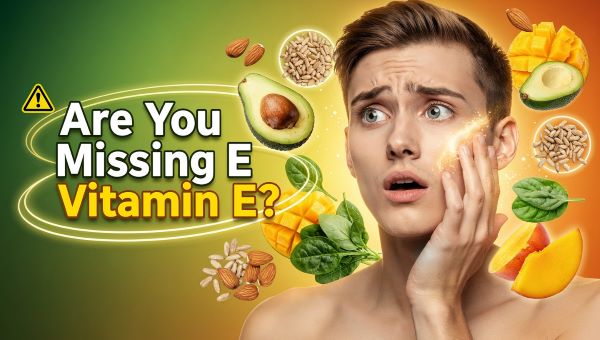
Are you getting enough vitamin E benefits for health in your daily diet? Many people focus on vitamins like C or D, but Vitamin E often gets overlooked — even though it plays an important role in protecting your body at the cellular level.
Vitamin E is widely known for its antioxidant properties, which may help protect cells from damage, support heart health, and improve skin quality. According to trusted organizations like the National Institutes of Health (NIH), Vitamin E is essential for maintaining overall well-being.
In this guide, you’ll learn everything about Vitamin E — its benefits, food sources, recommended intake, and safety considerations — in simple, easy-to-understand language.
🧪 What is Vitamin E?
Vitamin E is a fat-soluble vitamin, meaning your body stores it in fat tissues and the liver.
It includes a group of compounds called:
- Tocopherols
- Tocotrienols
These compounds act as antioxidants, helping to protect your cells from damage caused by free radicals.
🔬 Why Antioxidants Matter
Free radicals are unstable molecules produced during normal metabolism and exposure to pollution, stress, or unhealthy diets. Over time, they may contribute to aging and chronic diseases.
👉 Vitamin E may help neutralize these free radicals and support long-term health.
💥 1. Vitamin E Benefits for Health: Reducing Oxidative Stress
One of the most important vitamin E benefits for health is its ability to reduce oxidative stress.
✔️ How It Helps:
- Protects cells from damage
- Supports healthy aging
- May lower risk of chronic conditions
Research from the NIH suggests that antioxidants like Vitamin E play a role in reducing cellular damage, although they are not a cure or guaranteed prevention.
❤️ 2. May Support Heart Health
Heart health is influenced by cholesterol levels, blood pressure, and inflammation.
Vitamin E may support heart health by:
- Reducing oxidation of LDL (bad cholesterol)
- Supporting blood vessel function
- Helping manage oxidative stress
However, according to major health organizations, more research is needed before using Vitamin E supplements specifically for heart disease prevention.
🧠 3. May Support Brain Function
As we age, brain function may gradually decline.
Some studies suggest that Vitamin E:
- May help protect brain cells from oxidative damage
- May support memory and cognitive function
However, evidence is mixed, and it should not be considered a treatment for neurological conditions.
🧴 4. Supports Skin Health and Appearance
Vitamin E is a popular ingredient in skincare — and for good reason.
🌟 Benefits for Skin:
- Helps maintain moisture
- Supports skin repair
- Protects from environmental damage
This is why many creams and oils include Vitamin E for improving skin texture and appearance.
🫁 5. May Support Lung Health
Air pollution exposure is a growing concern worldwide.
Some research suggests that Vitamin E:
- May help reduce oxidative stress in lung tissues
- May support respiratory health
👉 However, it is not a treatment for conditions like asthma or lung disease.
👩 6. May Help with Menstrual Discomfort
Some clinical studies have explored the role of Vitamin E in managing menstrual cramps (dysmenorrhea).
Findings suggest:
- It may help reduce discomfort
- It may work better when combined with omega-3 fatty acids
Results vary, and it may not work the same for everyone.
🧬 7. May Support Fertility Health
Vitamin E plays a role in protecting reproductive cells.
It may help:
- Improve sperm quality in men
- Support egg health in women
- Maintain hormonal balance
However, it should not be used as a replacement for medical treatment in fertility issues.
🧓 8. Supports Immunity and Aging
As we age, our immune system becomes weaker.
Vitamin E may support:
- Immune response
- Cell repair
- Healthy aging
The World Health Organization (WHO) emphasizes the importance of proper nutrition, including vitamins, for maintaining immunity.
🦴 9. May Support Bone and Joint Health
Emerging research suggests Vitamin E may:
- Help reduce inflammation
- Support joint mobility
However, more large-scale studies are needed to confirm these benefits.
🥑 Best Food Sources of Vitamin E
Getting Vitamin E from natural foods is the safest and most effective way.
🥜 Nuts & Seeds
- Almonds
- Sunflower seeds
🥬 Vegetables
- Spinach
- Broccoli
- Tomatoes
🥑 Fruits
- Avocado
- Mango
- Kiwi
🌾 Oils
- Wheat germ oil (richest source)
📋 Recommended Daily Intake
According to the NIH:
| Age Group | Recommended Intake |
|---|---|
| Adults | 15 mg/day |
| Pregnant Women | 15 mg/day |
| Breastfeeding | 19 mg/day |
💊 Vitamin E Supplement Safety Guide
Vitamin E supplements are available in doses like:
- 200 mg
- 400 mg
⚠️ Important Points:
- High doses are not always necessary
- Being fat-soluble, excess may accumulate
- Overuse may increase bleeding risk
🚫 Who Should Be Careful?
Consult a healthcare professional before taking supplements if you:
- Are pregnant
- Take blood-thinning medications
- Have chronic health conditions
- Are giving supplements to children
📊 Comparison Table (Quick Summary)
| Benefit Area | How Vitamin E May Help |
|---|---|
| Skin Health | Supports moisture & repair |
| Heart Health | May reduce oxidative stress |
| Brain Function | May support memory |
| Immunity | Supports immune response |
| Fertility | Supports cell protection |
📌 Conclusion
Vitamin E is a powerful antioxidant that plays a key role in maintaining overall health. From supporting your skin and heart to helping your immune system function better, its benefits are wide-ranging.
However, it’s important to remember:
- Natural food sources are the best way to get Vitamin E
- Supplements should be used carefully
- Effects may vary from person to person
👉 Always consult a healthcare professional before starting any supplement.