
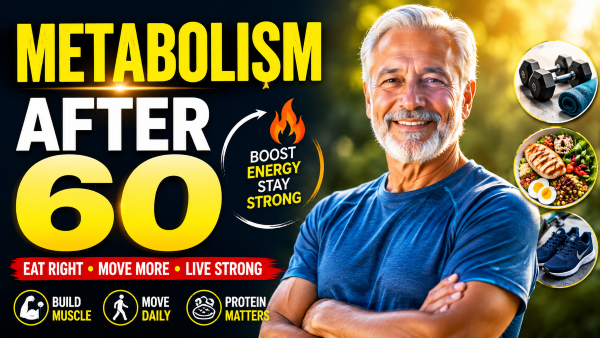
If you have noticed that weight loss feels slower after 60, you are not alone. Why metabolism slows after 60 is a question many people ask, and the answer is usually tied to natural changes in the body, especially muscle loss, lower daily activity, and changing protein needs. Learn more from the NIH on age-related muscle and protein changes and the NIA on protein needs in older adults.
- According to the National Institutes of Health (NIH), excess visceral fat is associated with increased risk of metabolic and cardiovascular diseases.
- The World Health Organization (WHO) emphasizes maintaining a healthy weight and active lifestyle to reduce chronic disease risk.
- Research published by Harvard Health Publishing suggests that abdominal fat may have a greater impact on health than overall body weight alone.
- The Centers for Disease Control and Prevention (CDC) recommends regular physical activity and balanced nutrition for long-term weight management.
The good news is that this does not mean your body has stopped responding. With the right habits, such as strength training, walking daily, and eating enough protein, you may help support muscle and keep your metabolism working better over time.
In this guide, we will keep things simple, practical, and beginner-friendly. You will learn what changes with age, what habits can help, and how to build a routine that feels realistic instead of extreme.
What Happens to Metabolism After 60?
Metabolism is the process your body uses to turn food into energy. It includes everything from breathing and digesting to moving and thinking. When people talk about a “slow metabolism,” they usually mean the body is burning fewer calories than before, especially at rest.
After 60, several things can affect this process:
-
Muscle mass often declines with age.
-
Daily movement may decrease.
-
Recovery from exercise can take longer.
-
Protein intake may become too low.
-
Lifestyle habits like sleep and stress can affect energy use.
One of the biggest reasons metabolism slows is muscle loss. Muscle is more active than fat tissue, so when you lose muscle, your body may burn fewer calories during the day. That is why protecting muscle becomes such an important part of healthy aging.
Why Muscle Matters So Much
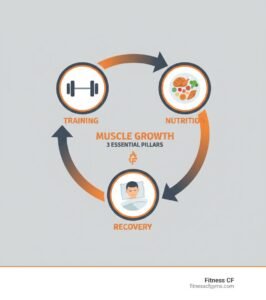
Muscle is not only about looking strong. It helps with balance, movement, independence, and daily tasks like climbing stairs, carrying groceries, or getting up from a chair.
It also plays a major role in metabolism. The more muscle you maintain, the more support your body has for energy use and physical function.
Simple truth about aging and muscle
As people get older, the body becomes less efficient at building and maintaining muscle from the same amount of food and activity. This does not mean muscle building is impossible. It just means older adults often need to be more intentional about exercise and protein.
That is why a steady routine matters more than a perfect one.
Why Metabolism Slows After 60
There is no single cause. It is usually a mix of several factors working together.
1. Natural muscle loss
As the years pass, many adults lose muscle gradually. This can reduce the number of calories burned at rest.
2. Less daily movement
Many people move less after retirement or after health changes. Even a small drop in daily activity can add up over time.
3. Lower protein intake
Older adults may eat less food overall, which can also mean less protein. If protein intake is too low, it becomes harder to support muscle.
4. Slower recovery
The body may take longer to recover from exercise or illness, which can lead people to do less over time.
5. Lifestyle habits
Poor sleep, stress, and long periods of sitting can also make it harder to feel energetic and active.
The Good News: You Can Support Your Metabolism
The main message is encouraging: even though metabolism changes with age, you are not powerless. Small, consistent habits can support muscle and health.
The three most useful habits are:
-
Strength training
-
Daily walking
-
Enough protein
These are simple, but they are powerful when done regularly.
Strength Training for Older Adults

Strength training is one of the best ways to support muscle after 60. It does not have to be intense, complicated, or gym-based. Simple resistance exercises done a few times a week can make a big difference.
Research and public health guidance consistently support regular strengthening exercise for older adults because it helps maintain muscle, support mobility, and reduce frailty.
Best beginner-friendly strength exercises
You can start with easy, safe movements like these:
-
Chair stands
-
Wall push-ups
-
Resistance band rows
-
Step-ups
-
Light dumbbell curls
-
Standing calf raises
These exercises can be done at home with very little equipment.
How often should you do it?
A simple goal is 2 to 3 strength sessions per week. You do not need to train every day. Rest days matter too, especially when starting out.
How to begin safely
If you are new to exercise, keep these tips in mind:
-
Start with light resistance.
-
Focus on good form.
-
Use a chair or wall for support if needed.
-
Stop if something hurts.
-
Check with a doctor if you have a medical condition or mobility concern.
The goal is steady progress, not perfection.
Walking Supports Healthy Aging
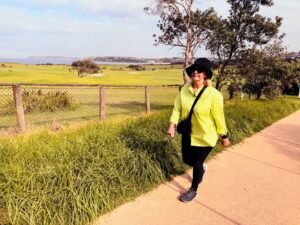
Daily walking is another simple habit that may support metabolism, heart health, mobility, and mood. It is low-impact, easy to start, and one of the most sustainable forms of activity for many older adults.
You do not need a perfect workout plan to benefit from walking. Even short walks throughout the day can help.
Why walking matters

Walking can help you:
-
Burn more calories during the day
-
Stay active without stressing the joints
-
Improve balance and circulation
-
Reduce long periods of sitting
-
Feel more energetic
Easy walking ideas
If a long walk feels too hard, try this:
-
Walk for 10 minutes after meals
-
Take two 15-minute walks instead of one long one
-
Walk indoors if the weather is bad
-
Walk with a friend or family member
-
Use a park, mall, or quiet neighborhood route
The key is consistency. A daily walk does more for your routine than an occasional intense session.
Protein for Seniors Over 60

Protein becomes more important with age because it helps preserve muscle and supports recovery. Many older adults do not get enough protein, especially if they eat smaller meals or skip breakfast.
Studies and expert groups have suggested that many healthy older adults may need more protein than younger adults to maintain muscle and function. That does not mean you need to follow a complicated diet. It means protein should be part of each meal.
Good protein sources
You can get protein from both animal and plant foods, such as:
-
Eggs
-
Greek yogurt
-
Milk
-
Chicken
-
Fish
-
Paneer or cottage cheese
-
Lentils
-
Beans
-
Tofu
-
Nuts and seeds
Simple meal idea
Try to include a protein source at every meal:
-
Breakfast: eggs with toast
-
Lunch: chicken or tofu with vegetables
-
Dinner: fish or lentils with rice or salad
-
Snack: yogurt, nuts, or a boiled egg
Protein timing matters too
It can help to spread protein across the day rather than eating most of it at one meal. This gives your body a steady supply to support muscle.
A Practical Weekly Plan
If you are wondering how to put all of this together, keep it simple. You do not need a perfect program. You need a repeatable one.
Sample weekly routine
-
Monday: Strength training
-
Tuesday: 20 to 30 minute walk
-
Wednesday: Light movement or stretching
-
Thursday: Strength training
-
Friday: Walk with a little faster pace
-
Saturday: Fun activity like gardening or dancing
-
Sunday: Easy walk and recovery
This kind of plan is realistic and easy to adjust.
Common Myths About Slow Metabolism
A lot of people hear confusing advice about aging and weight. Let’s clear up a few myths.
Myth 1: Metabolism completely stops after 60
Fact: Metabolism does not stop. It changes. With healthy habits, you may still support how your body uses energy.
Myth 2: Older adults should avoid strength training
Fact: Strength training is one of the most helpful activities for older adults when done safely.
Myth 3: You need extreme diets to see change
Fact: Extreme dieting can backfire. Steady habits work better for most people.
Myth 4: Protein is only for athletes
Fact: Protein is important for older adults too, especially for preserving muscle.
Other Habits That Can Help
Exercise and protein are the main focus, but other daily habits matter too.
Sleep
Poor sleep can affect appetite, energy, and recovery. Try to keep a regular sleep schedule when possible.
Stress management
Long-term stress can affect eating habits and motivation. Short walks, breathing exercises, prayer, reading, or hobbies can help.
Hydration
Sometimes people mistake thirst for hunger. Drinking enough water during the day may support energy and digestion.
Less sitting
Too much sitting can make you feel stiff and tired. Try standing up and moving around every hour if you can.
What Results Should You Expect?
It is important to keep expectations realistic. You may not see change overnight.
What many people notice first is:
-
Better energy
-
Stronger legs and arms
-
Easier walking and stair climbing
-
Improved balance
-
More confidence with daily activities
Visible body changes can take longer. That is normal. The goal is not just weight loss. The real goal is strength, health, and independence.
Simple Comparison Table
Simple Tips to Start Today
If you want to take action right away, start with one or two of these steps:
-
Walk for 10 minutes today
-
Add protein to breakfast
-
Do one chair-stand set
-
Use a resistance band twice this week
-
Drink more water
-
Go to bed a little earlier
Small steps may not feel dramatic, but they build momentum.
Sample One-Day Meal Idea
Here is a simple example of how protein can fit into the day:
Breakfast
Eggs, whole-grain toast, and fruit
Lunch
Grilled chicken or tofu, vegetables, and rice
Snack
Greek yogurt or a handful of nuts
Dinner
Fish, lentils, or paneer with vegetables and a side dish
This is not a strict plan. It is just an easy example of balanced eating.
FAQ on Why Metabolism Slows After 60
1) Why metabolism slows after 60?
Why metabolism slows after 60 is usually linked to natural muscle loss, lower daily activity, and changes in eating habits. As muscle decreases, the body may burn fewer calories at rest, which can make weight management feel slower.
2) Can I support my metabolism after 60?
Yes, you may support metabolism after 60 with regular strength training, daily walking, and enough protein. These habits help preserve muscle, which plays an important role in how the body uses energy.
3) Does muscle loss affect metabolism after 60?
Yes, muscle loss is one of the main reasons why metabolism slows after 60. Muscle burns more energy than fat, so keeping muscle through exercise and protein intake may help support a healthier metabolism.
4) Is walking enough to support metabolism after 60?
Walking is very helpful, but it works best when combined with strength training and good nutrition. If you are asking why metabolism slows after 60, the answer is often more than one factor, so a balanced routine is usually better than relying on one habit alone.
5) What is the best way to handle a slow metabolism after 60?
The best approach is consistency, not extreme dieting. To address why metabolism slows after 60, focus on building muscle, staying active every day, and eating enough protein across meals.
6) Does eating less help if metabolism slows after 60?
Eating too little can actually make it harder to keep muscle, which matters when thinking about why metabolism slows after 60. A balanced diet with enough protein is usually more helpful than severe calorie cutting.
7) Can strength training really help after 60?
Yes, strength training can help support muscle at any age, including after 60. Since muscle loss is a big reason why metabolism slows after 60, resistance exercise is one of the most useful habits you can build.
8) How often should older adults exercise to support metabolism?
A simple goal is regular movement every day, plus strength training a few times per week. This routine may help address why metabolism slows after 60 by keeping muscles active and supporting overall energy use.
9) Is low protein part of why metabolism slows after 60?
Yes, low protein intake can make it harder to maintain muscle, especially as you age. Since muscle helps support metabolism, getting enough protein is an important part of understanding why metabolism slows after 60.
10) Can a slow metabolism after 60 improve over time?
A slow metabolism may not work exactly like it did when you were younger, but healthy habits can still make a difference. Strength training, walking, and protein intake may help reduce some of the effects of why metabolism slows after 60.
Conclusion
If you have been asking why metabolism slows after 60, the answer is usually a combination of natural muscle loss, less daily movement, and lower protein intake. The most helpful response is not an extreme diet or a quick fix. It is a steady routine that protects muscle and supports healthy aging.
Strength training, daily walking, and enough protein are three of the simplest and most useful habits you can build. Add sleep, hydration, and stress management, and you give your body a much better chance to feel strong and active over time.
The best part is that you can start small. One walk, one protein-rich meal, and one strength session can be the beginning of real change.
Call to action: If this article helped you, save it, share it, and start with one healthy habit today.
Read More >>
Incredible Results of Quitting Sugar for 14 Days
Beginner Morning Yoga for Better Digestion
10-Minute workout for women over 50