
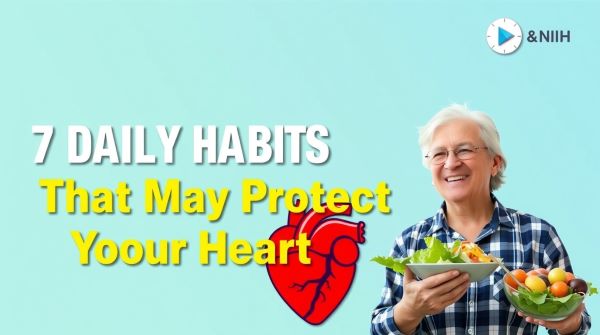
Preventive Lifestyle for Heart Disease: A Simple, Practical Guide
Heart disease remains one of the leading causes of death worldwide. The good news is that a preventive lifestyle for heart disease can significantly reduce your risk and support long-term heart health. According to the World Health Organization (WHO), most cardiovascular diseases are linked to lifestyle habits, which means many cases are preventable.
In this guide, we’ll explore simple, research-backed habits that may help protect your heart and improve your overall well-being.
Why Prevention Matters More Than Treatment
Heart disease does not usually happen overnight. It develops slowly over time due to factors such as poor diet, inactivity, smoking, high blood pressure, and high cholesterol.
The WHO reports that cardiovascular diseases account for nearly 17.9 million deaths each year globally. Many of these cases are connected to modifiable risk factors like tobacco use, unhealthy diet, and physical inactivity.
This means small daily decisions can make a big difference.
1. Avoid Tobacco in All Forms
Smoking damages blood vessels, raises blood pressure, and increases the risk of heart attack and stroke.
According to global health authorities:
- Tobacco use is one of the strongest risk factors for heart disease.
- Even secondhand smoke increases risk.
- Quitting at any age improves heart health.
If you smoke, seeking support to quit is one of the most powerful lifestyle changes for heart health.
2. Follow WHO Heart Disease Prevention Guidelines for Physical Activity
Physical activity plays a major role in a preventive lifestyle for heart disease.
The WHO recommends:
- At least 150 minutes of moderate-intensity exercise per week, or
- 75 minutes of vigorous exercise weekly.
Simple activities include:
- Brisk walking
- Cycling
- Swimming
- Dancing
- Strength training
Regular movement helps:
- Lower blood pressure
- Improve cholesterol levels
- Support healthy weight
- Reduce stress
Even small increases in daily movement can provide long-term heart health benefits.
3. Choose a Heart-Supportive Diet
Nutrition is central to a preventive lifestyle for heart disease.
Health organizations recommend a diet that includes:
- Plenty of fruits and vegetables
- Whole grains
- Beans and legumes
- Nuts and seeds
- Healthy fats like olive oil
Try to limit:
- Saturated fats
- Processed meats
- Added sugars
- Highly processed foods
Research suggests that plant-forward diets may support cardiovascular health by lowering cholesterol and reducing inflammation.
You don’t have to make extreme changes. Start small — for example, add one extra serving of vegetables to your meals daily.
4. Manage Your Weight Gradually
Excess body weight increases the risk of high blood pressure, type 2 diabetes, and heart disease.
The National Institutes of Health (NIH) notes that even a 5–10% reduction in body weight may improve heart-related risk factors.
Instead of focusing on quick fixes, aim for sustainable habits:
- Eat balanced meals
- Control portion sizes
- Stay active
- Avoid sugary drinks
Long-term consistency matters more than short-term dieting.
5. Monitor Blood Pressure and Cholesterol
High blood pressure and high cholesterol are often called “silent risks” because they may not cause symptoms.
Regular check-ups help detect problems early.
Lifestyle changes for heart health can help maintain healthy levels, but in some cases, medication may also be necessary. Always consult a healthcare professional for personalized advice.
6. Reduce Added Sugar Intake
Too much sugar may increase triglycerides and contribute to weight gain.
Common sources include:
- Sugary drinks
- Desserts
- Sweetened cereals
- Packaged snacks
Try replacing sugary beverages with water or unsweetened drinks. Reading food labels can also help you make informed choices.
7. Prioritize Sleep and Stress Management
Sleep and stress are often overlooked in discussions about heart health.
Chronic stress and poor sleep may:
- Raise blood pressure
- Increase inflammation
- Affect eating habits
Aim for:
- 7–9 hours of sleep per night
- Relaxation practices like meditation or deep breathing
- Regular physical activity to reduce stress
A calm and balanced routine supports long-term heart health habits.
How Daily Habits to Reduce Heart Disease Risk Work Together
No single habit guarantees protection. However, research shows that combining healthy behaviors can significantly reduce cardiovascular risk.
When you:
- Avoid tobacco
- Eat balanced meals
- Stay physically active
- Manage weight
- Monitor health markers
You create a powerful foundation for a preventive lifestyle for heart disease.
The key is consistency, not perfection.
Common Myths About Heart Disease Prevention
Let’s clear up a few misunderstandings:
Myth 1: Only older adults need to worry about heart disease.
Heart health habits should begin early in adulthood.
Myth 2: Medication alone is enough.
Lifestyle changes remain essential, even when medication is prescribed.
Myth 3: You need extreme diets or workouts.
Small, steady improvements often work best.
Practical Steps to Start Today
If you’re feeling overwhelmed, begin with one simple action:
- Take a 20-minute walk today
- Add one fruit or vegetable to your next meal
- Drink water instead of soda
- Schedule a health check-up
Progress builds confidence.
Conclusion: Small Habits, Long-Term Impact
Adopting a preventive lifestyle for heart disease is not about being perfect. It’s about making daily choices that support your heart over time.
Research from WHO and NIH highlights that many cardiovascular risks are linked to lifestyle. That means you have more control than you might think.
Start small. Stay consistent. Encourage your family and friends to join you.
Your heart works for you every day — it deserves your care in return.
A really good blog and me back again.