
Introduction
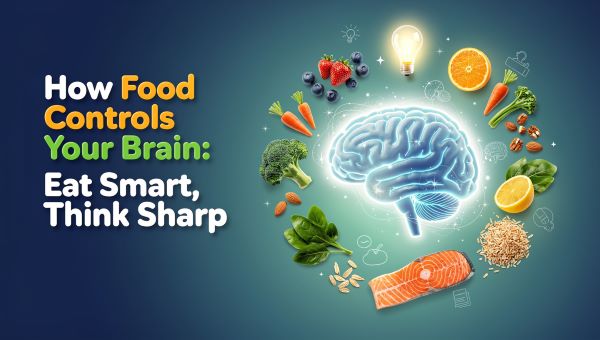
Have you ever wondered why you feel sleepy after eating certain meals, or suddenly more focused after others? The answer lies in how food controls your brain. Modern research shows that the brain is deeply connected to what we eat every day. In fact, nutrition plays a powerful role in brain function, mood, memory, energy levels, and long-term mental health.
This blog explains how food controls your brain naturally, using simple language and science-backed facts. You don’t need a medical background to understand this. Whether you’re a student, working professional, or health-conscious individual, learning how your diet affects your brain can help you make smarter food choices for a sharper mind.
🧠 What Is the Brain Made Of?
Many people are surprised to learn that the human brain is not mainly made of protein. When water is removed, nearly 60% of the brain’s dry weight comes from fat, according to neuroscience research supported by institutions like the NIH.
The brain is made up of:
- Healthy fats (lipids)
- Proteins and amino acids
- Small amounts of vitamins and minerals
- Glucose (energy fuel)
Each of these nutrients has a specific job. Together, they decide how well your brain thinks, reacts, remembers, and stays balanced.
🥑 The Role of Healthy Fats in Brain Function
Why the Brain Needs Fat
Healthy fats are essential for:
- Building brain cell membranes
- Supporting communication between neurons
- Protecting the brain from age-related decline
The most important fats for brain health are Omega-3 and Omega-6 fatty acids. These are called essential fats because the body cannot make them on its own.
Best Sources of Brain-Healthy Fats
- Fatty fish (salmon, sardines)
- Nuts and seeds (walnuts, flaxseeds)
- Plant oils (olive oil, flaxseed oil)
According to WHO and NIH research, diets rich in omega-3 fats are linked to better memory, focus, and lower risk of cognitive decline.
Fats to Limit
Long-term intake of trans fats and excess saturated fats, commonly found in ultra-processed and fried foods, may negatively affect brain health and memory.
🧬 Proteins and Amino Acids: The Mood Controllers
Proteins are broken down into amino acids, which help create neurotransmitters. Neurotransmitters are chemical messengers that control how we feel and behave.
Important neurotransmitters include:
- Dopamine – motivation and focus
- Serotonin – mood and emotional balance
- Norepinephrine – alertness and attention
This is why:
- A protein-rich meal can make you feel more alert
- A heavy carb-only meal may make you relaxed or sleepy
NIH research confirms that balanced protein intake supports mental clarity and emotional stability.
🥗 Why Variety in Diet Matters for the Brain
Amino acids compete with each other to enter the brain. Eating the same type of food daily can disturb this balance and affect mood.
A varied diet helps:
- Maintain balanced neurotransmitters
- Prevent mood swings
- Support stable mental performance
Including different food groups is one of the simplest ways to protect long-term brain health.
🍓 Micronutrients That Protect Brain Cells
Antioxidants and Brain Protection
Fruits and vegetables are rich in antioxidants. These help fight free radicals, which can damage brain cells over time.
Benefits of antioxidants:
- Slower brain aging
- Better memory
- Improved cognitive performance
Essential Vitamins for Brain Health
According to NIH and WHO:
- Vitamin B6, B12, and folate are crucial for nerve function
- Deficiency is linked to memory problems and mental decline
Important Brain Minerals
Small amounts of minerals are vital:
- Iron – oxygen supply to brain
- Zinc – learning and memory
- Copper & sodium – nerve signaling
⚡ How the Brain Uses Energy from Food
Although the brain makes up only about 2% of body weight, it uses nearly 20% of the body’s total energy, according to NIH data.
The brain’s main fuel is glucose, which comes from carbohydrates.
When glucose levels drop:
- Focus decreases
- Mood becomes unstable
- Brain fog appears
Mental tiredness is often one of the first signs of poor nutrition.
🍞 How Different Carbohydrates Affect the Brain
Carbohydrates come in three main forms:
- Sugars
- Starches
- Fiber
High-Glycemic Carbs
Foods like white bread, sweets, and sugary snacks:
- Cause quick blood sugar spikes
- Lead to sudden energy crashes
- Reduce focus and attention
Slow-Release Carbs (Best for the Brain)
Foods like:
- Oats
- Whole grains
- Legumes
They release glucose slowly, helping maintain steady focus and mood, as supported by Harvard nutrition research.
🧩 How Food Controls Your Brain Long Term
The way you eat today shapes how your brain functions tomorrow. Research consistently shows that long-term poor diet increases the risk of:
- Cognitive decline
- Memory loss
- Mood disorders
On the other hand, a balanced diet supports:
- Mental clarity
- Emotional stability
- Healthy brain aging
✅ Simple Brain-Healthy Eating Tips
- Eat a mix of healthy fats, proteins, and slow carbs
- Add fruits and vegetables daily
- Avoid excessive processed foods
- Stay consistent, not extreme
🏁 Conclusion: Eat Smart, Think Sharp
Your brain is not separate from your plate. Every meal you eat sends signals to your brain, affecting how you think, feel, and perform. Understanding how food controls your brain gives you the power to make smarter choices.
A balanced, nutrient-rich diet is one of the most effective and natural ways to support brain health at any age. Eat smart, stay consistent, and your brain will thank you.